PuniCodex

Extended Lore

五神 Goshin

Etymology · Phonology · Orthography · Cultural Legacy · Primary Sources

Tier 2 Goshin
Goshin — Five Deities, Protection
01

Quick Facts

Essential information about Goshin, Five Deities, Protection

Original Script五神
Unicode RestorationGoshin
Reconstructed Pronunciation/ɡoː.ɕiɴ/
PantheonJapanese
DomainFive Deities, Protection
MeaningFive gods
ClassificationTier 2
Primary DomainGoshin
Sacred SymbolsFive-point mandorla, Five colors, Pentad of kami
02

Etymology & Word Family

From original script to Unicode restoration

Original Script 五神 Goshin — "Five gods"
Unicode Restoration Goshin Restored stress, length, and script
Modern ASCII goshin Plain-ASCII fallback

Goshin is Tier 2: the long ō gives no special status here because the ASCII 'goshin' is identical to the Hepburn base. The term is generic and context-dependent.

03

Unicode Character Breakdown

Character-by-character philological analysis

CharacterUnicodeNameBlockPhonetic Role
GU+0047Latin Capital Letter GBasic LatinSame, capitalized
oU+006FLatin Small Letter OBasic LatinSame
sU+0073Latin Small Letter SBasic LatinSame
hU+0068Latin Small Letter HBasic LatinSame
iU+0069Latin Small Letter IBasic LatinSame
nU+006ELatin Small Letter NBasic LatinSame

The Tier 2 classification reflects how much of the original phonology this restoration preserves — stress and vowel length for Greek names, distinctive letters and diacritics for every other tradition.

04

Cultural Significance

From ancient cult to modern Unicode

Ancient Domain

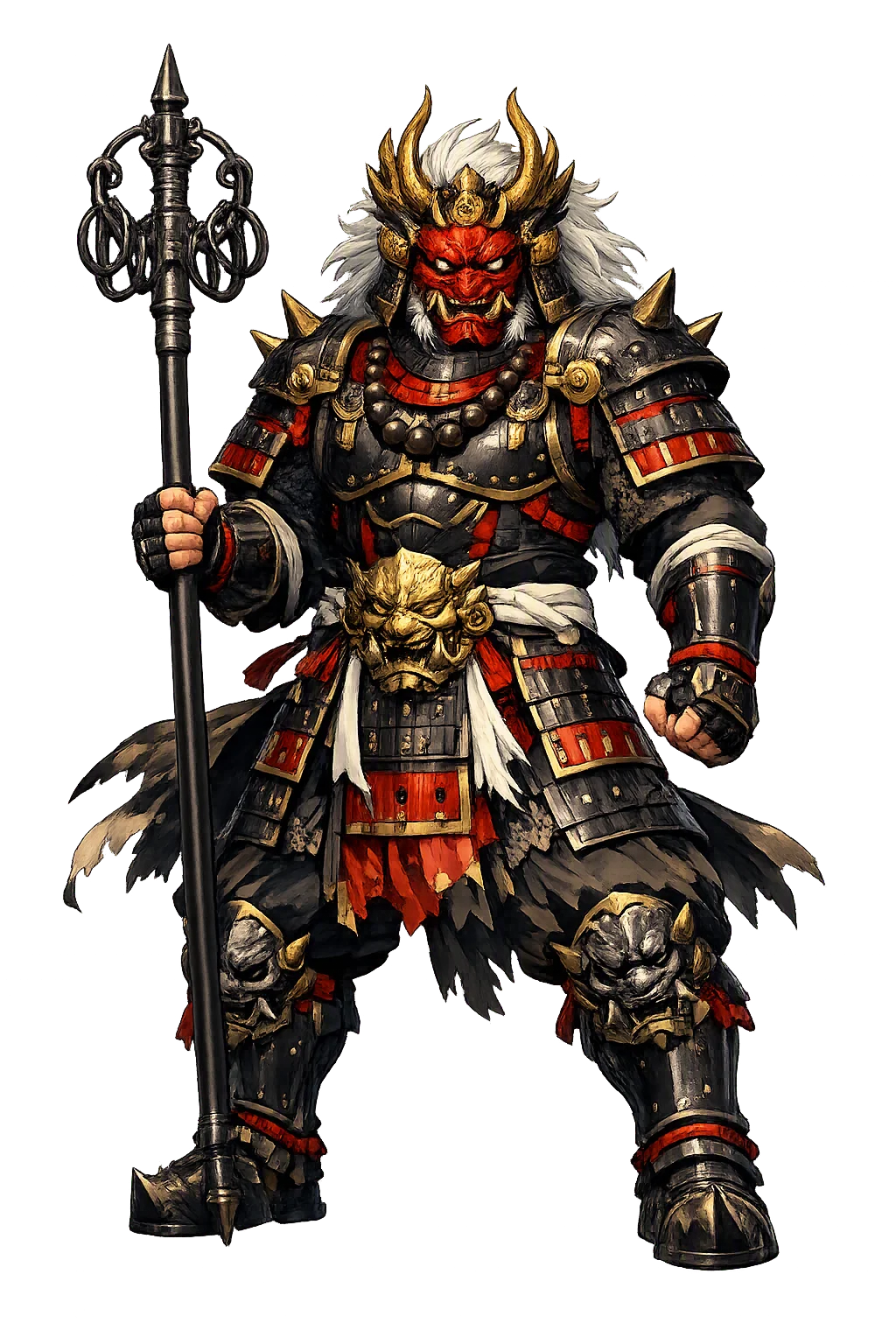
Goshin means simply 'five gods' or 'five divine spirits.' In Japanese religious thought, the number five organizes space, body, color, element, and virtue. A goshin may refer to directional protectors, to the five sacred peaks of Daoism, to esoteric Buddhist guardians, or to local groupings of protective kami. The term is less a single deity than a class of divine arrangements.

Goshin in Later Traditions

Goshin sits at the intersection of Shinto, Buddhism, and Onmyōdō. The number five arrived from Chinese cosmology and was adapted to Japanese ritual needs. Whether referring to Wisdom Buddhas, directional kami, or local protective groups, the term always signals ordered divine protection.

Modern Legacy

The concept of five sacred powers remains active in Japanese religion and culture: the five-story pagoda, the five elements, the five colors, and the five festival days (sekku). While 'Goshin' as a standalone name is rare, the idea of fivefold protection continues to structure ritual arts and popular spirituality.

Unicode Restoration as Cultural Act

Restoring Goshin in a domain name is more than orthographic accuracy. It is a statement that the internet should recognize the full range of human writing — not only the ASCII keyboard.

05

Frequently Asked Questions

Common questions about Goshin, Five Deities, Protection, and Unicode restoration

01How do you pronounce Goshin?

In reconstructed pronunciation, Goshin is /ɡoː.ɕiɴ/ — approximately 'GOH-sheen' — hold the first syllable long; the final 'n' is a soft nasal..

02What does Goshin mean?

Goshin means Five gods in the japanese tradition.

03What are the symbols of Goshin?

Goshin is associated with Five-point mandorla (A protective diagram enclosing the five spirits or directions), Five colors (Blue, red, white, black, and yellow associated with directions and elements), Pentad of kami (Local shrines may honor five guardian deities under this collective name).

04Why restore Goshin in Unicode?

Plain ASCII goshin strips the stress, length, and script that make the name specific. Unicode restoration returns the name to its original written dignity.

05What is the most important myth about Goshin?

In Japanese esoteric Buddhism, the five directions are governed by the Five Wisdom Buddhas (Gohō Nyorai): Vairocana at the center, Akṣobhya in the east, Ratnasambhava in the south, Amitābha in the west, and Amoghasiddhi in the north. These 'five' are sometimes referred to as goshin in ritual contexts, embodying five aspects of enlightened mind.

06

Scholarly Sources

The philological foundations of this restoration

Every claim on this page is grounded in established scholarship. The orthographic restorations follow disciplinary convention. The etymological chain follows the best available reference works. This is not invention — it is resurrection through scholarship.

Lexicography & Philology

  • Shinto
  • Japanese folklore

Primary Texts

  • The Kojiki; the Nihon Shoki; shrine ritual records.

Archaeology & Art History

  • Material evidence — iconography, inscriptions, and temple archaeology — for Goshin and related cults.
  • No single archaeological site corresponds to 'Goshin.' The concept is embodied in five-story pagodas, directional shrine arrangements, and ritual implements across Japanese temples and shrines.

Religious Studies

  • Buddhist texts (esoteric pentads)
  • Onmyōdō ritual manuals
  • Bocking, A Popular Dictionary of Shinto
Return

The Surface Awaits

You have traced the name from its earliest attestation to its Unicode restoration. Now return to the myth. The story is where the name lives.

Back to Lore
Goshin mascot