
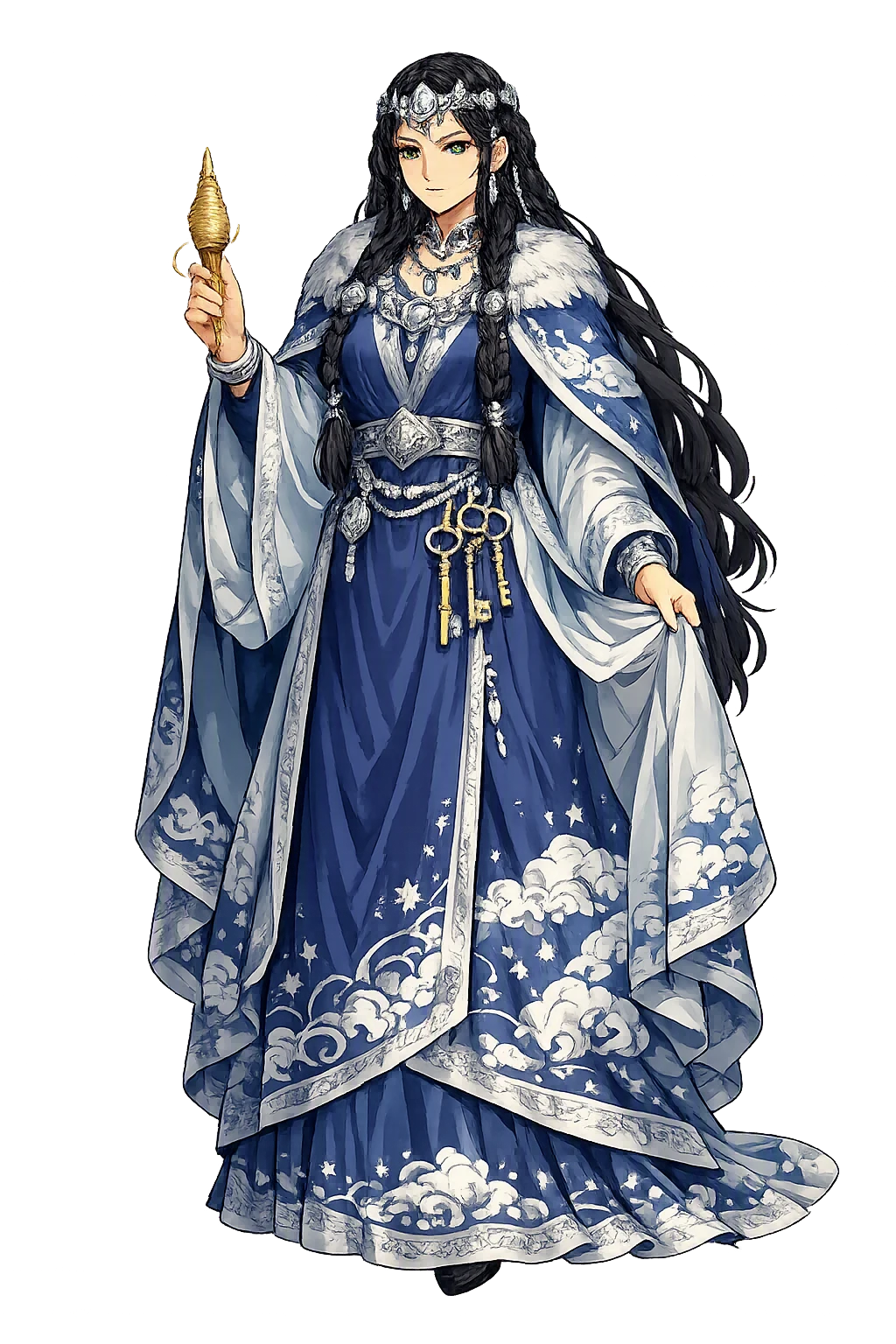
The Cult
No temple of Frigg is named in any source, and no votive object has ever carried her name — her cult, if it had an independent existence, left almost no archaeological footprint, and the Scandinavian place-names sometimes claimed for her are contested by the specialists. The one unambiguous act of worship attached to her is calendrical: when the Germanic peoples took over the seven-day week they rendered dies Veneris as Frigg's day, Old English Frīgedæg — an interpretatio that presupposes a living goddess of love and sovereignty equated with Venus, performed by whole communities every week of the year. Paul the Deacon's eighth-century Frea is the continental witness, a goddess still working as kingmaker beside Godan. Whether she ever had an independent cult or shared one with Freyja — the handbooks still print the question open — the practical devotion described in our sources flowed mostly to Freyja, whose seiðr and sacrifices are actually narrated. Modern Heathenry has returned to her what the Middle Ages withheld, keeping hearth-rites in her name as goddess of marriage and the frith of the household.