
ART OF Enlīl
Every visual thread of Enlīl in one room — the temple's curated historical gallery, the house's Commons studies, and the Creatives marketplace as it opens.

Temple Gallery
Baked-clay statuette of the god Enlil seated, from the Scribal Quarter at Nippur, Iraq, c
commons.wikimedia.org · CC BY-SA 4.0

Temple Gallery
Kassite-period kudurru (boundary stone) from Iraq, 15th–11th century BCE, carved with divine symbols including the horned crown of Enlil, along with Sin, Ishtar, Shamash, Anu, and the goddess Gula
commons.wikimedia.org · CC BY-SA 4.0

Temple Gallery
Ruins of a temple at Naffur (ancient Nippur), Iraq — the cult center of Enlil, where Sumerian gods were said to meet
commons.wikimedia.org · Public domain

Temple Gallery
Bronze foundation figurine of King Ur-Nammu, c
commons.wikimedia.org · CC BY-SA 4.0

Temple Gallery
Achaemenid cylinder seal (chalcedony, c
commons.wikimedia.org · Public domain

Temple Gallery
The Adda Seal, an Akkadian cylinder-seal impression from c
commons.wikimedia.org · CC BY-SA 2.0
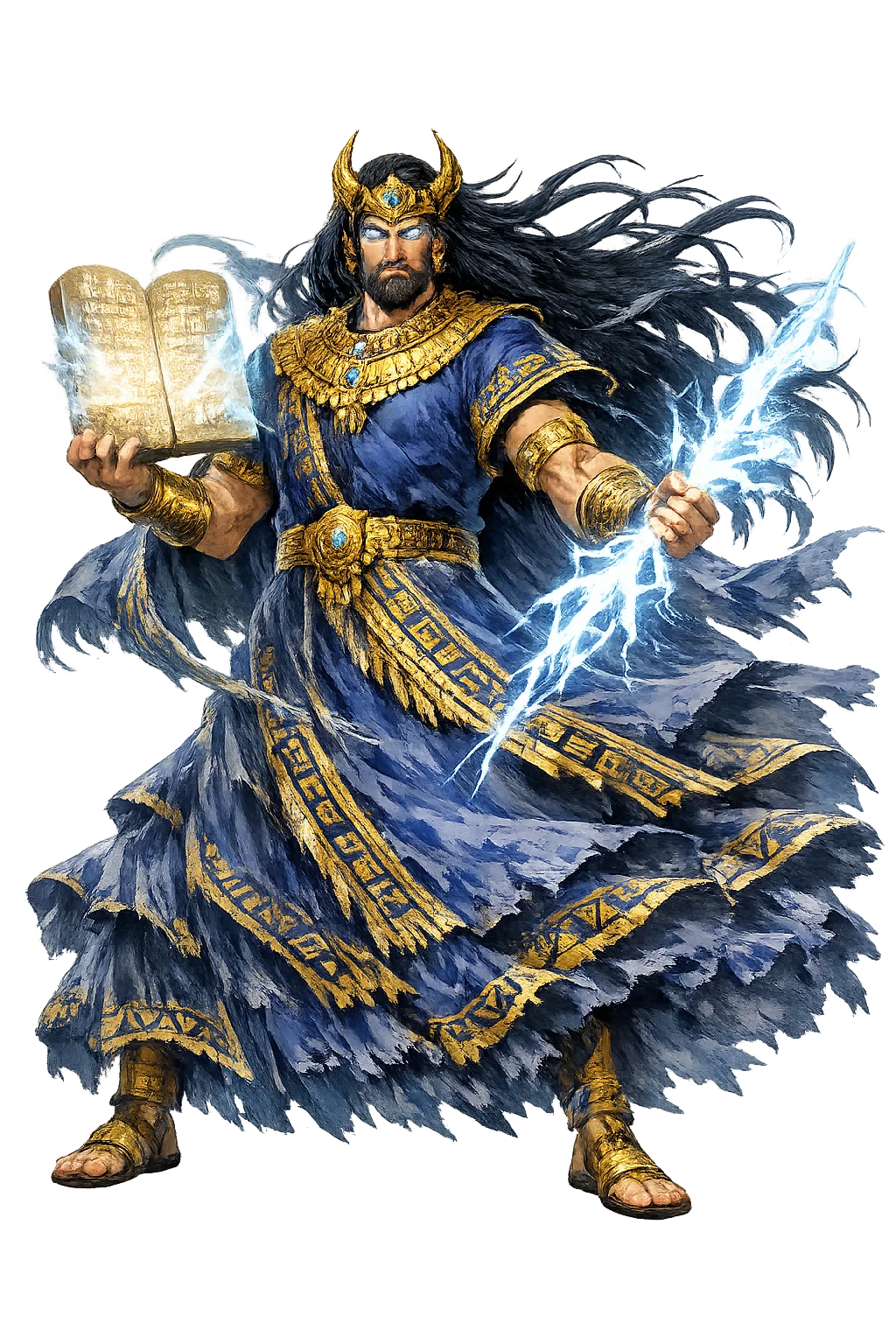
The Commons · current
Enlīl — current mascot
CC BY 4.0 · attribution required
Temple Gallery
Baked-clay statuette of the god Enlil seated, from the Scribal Quarter at Nippur, Iraq, c
commons.wikimedia.org · CC BY-SA 4.0
Temple Gallery
Kassite-period kudurru (boundary stone) from Iraq, 15th–11th century BCE, carved with divine symbols including the horned crown of Enlil, along with Sin, Ishtar, Shamash, Anu, and the goddess Gula
commons.wikimedia.org · CC BY-SA 4.0
Temple Gallery
Ruins of a temple at Naffur (ancient Nippur), Iraq — the cult center of Enlil, where Sumerian gods were said to meet
commons.wikimedia.org · Public domain
Temple Gallery
Bronze foundation figurine of King Ur-Nammu, c
commons.wikimedia.org · CC BY-SA 4.0
Temple Gallery
Achaemenid cylinder seal (chalcedony, c
commons.wikimedia.org · Public domain
Temple Gallery
The Adda Seal, an Akkadian cylinder-seal impression from c
commons.wikimedia.org · CC BY-SA 2.0
✦
The Creatives room for Enlīl is being gathered.
Student and independent artists will license mythological work here — credited always, paid properly.
Open to university creators first: the university door →
The Commons · current
Enlīl — current mascot
CC BY 4.0 · attribution required