
The Cult
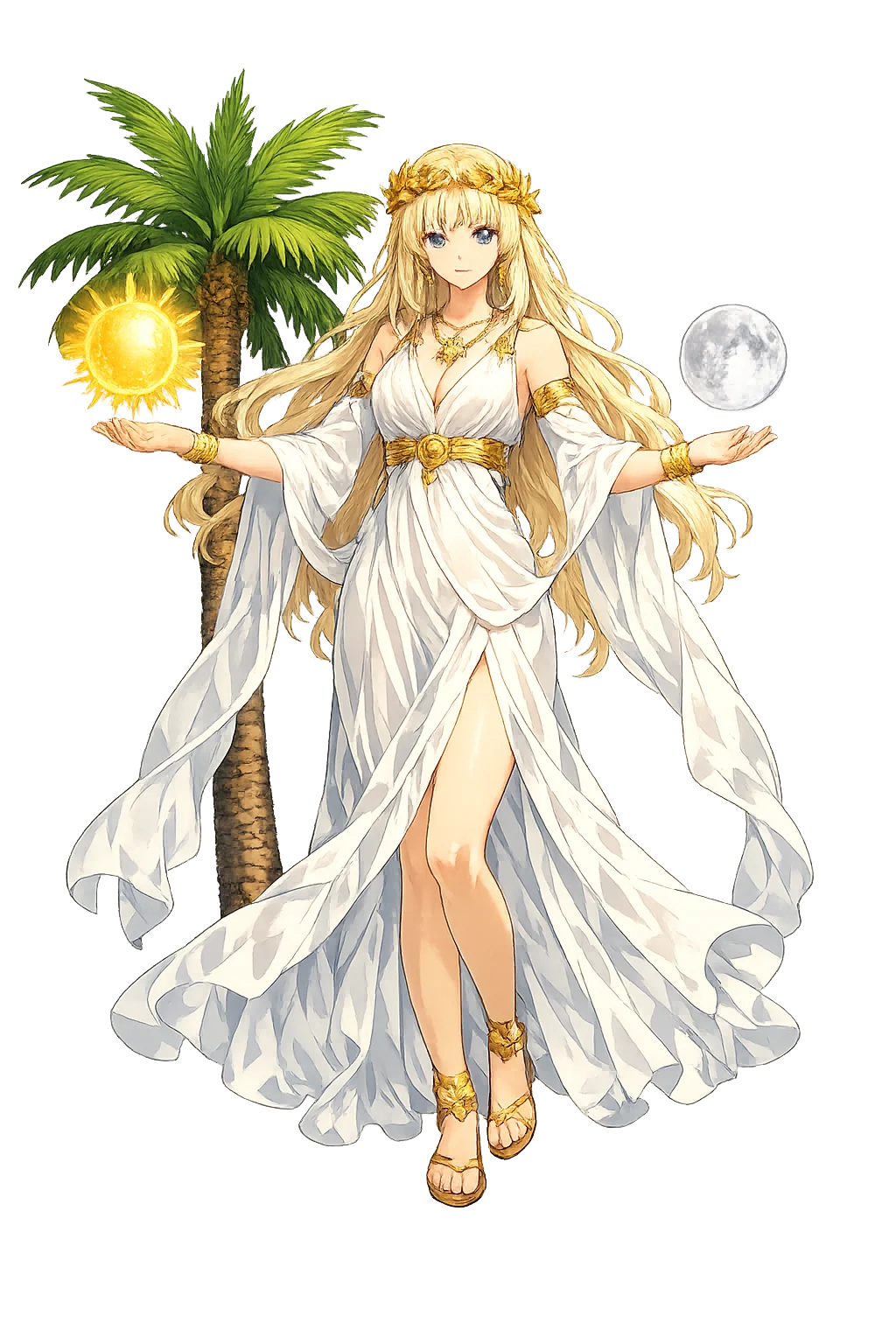
The island was a sanctuary with a city attached. The great rite was the Delia, the pan-Ionian festival of Apóllōn held every fifth year — purification, procession, sacrifice at the god's horn altar, and games; Thucydides (3.104) preserves the Athenian re-foundation of 426/5, which summoned the allied cities to send choruses and competitors before the god. The signature act was the crane-dance, the geranos, winding around the altar, which Plutarch (Theseus 21) ties to Theseus' victory return. Daily cult belonged to the Delians, serving the great temple of Apóllōn, the Letoon beside the Sacred Lake, and the older gods of Mount Kynthos. The purity law — no birth, no death on the island, the human cycle ferried to Rheneia — made the whole territory the god's property. Today no cult survives: Dêlos is an archaeological site under the Greek state, its temple floors swept by wind instead of priests.