
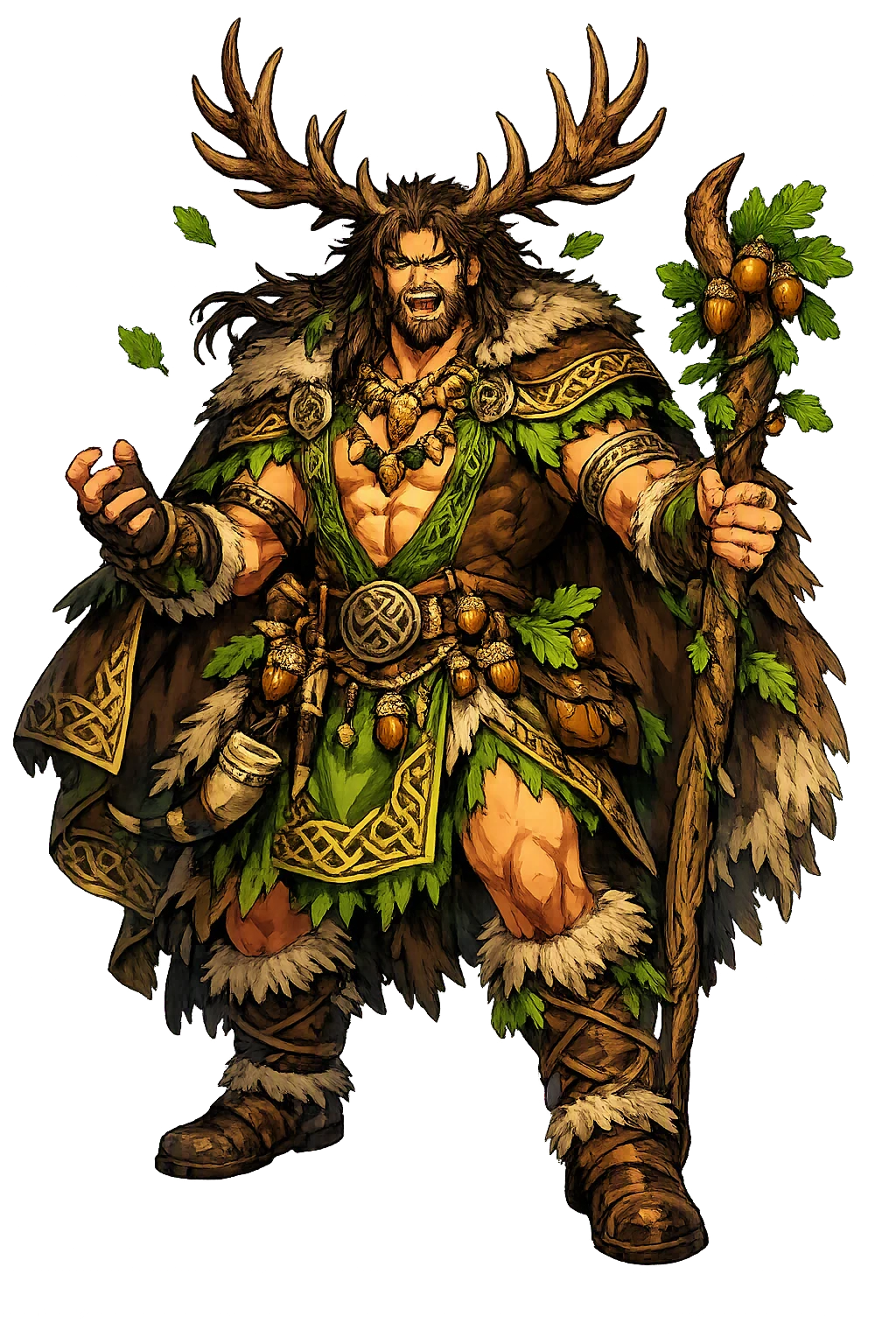
The Cult
No text records a festival, priesthood, or temple of Cernunnos — Gaul left no liturgy, and honesty begins there. What archaeology offers instead is a map of dedicatory settings. His one inscription belongs to a guild's votive pillar, raised to Jupiter at Roman Paris by the boatmen of the Parisii. At Reims the antlered god sits within the civic sanctuary furniture of the Remi, flanked by Apollo and Mercury. The Gundestrup cauldron itself reached Denmark as a deposit, hammered into a Jutland peat bog — temple furniture of some kind, though whose temple is beyond proof. Around these named finds stands the well-documented Gallo-Roman sanctuary habit: healing-water shrines such as the source of the Seine, which has yielded thousands of wooden ex-votos, show the offering culture in which a lord of animals holding the underworld's serpent would be entirely at home. The bronze Coligny calendar proves the Gauls kept a full festive year; it never names him. And everything ritual performed in his name today begins two millennia after his cult fell silent — a modern revival, best called one.