
The Cult
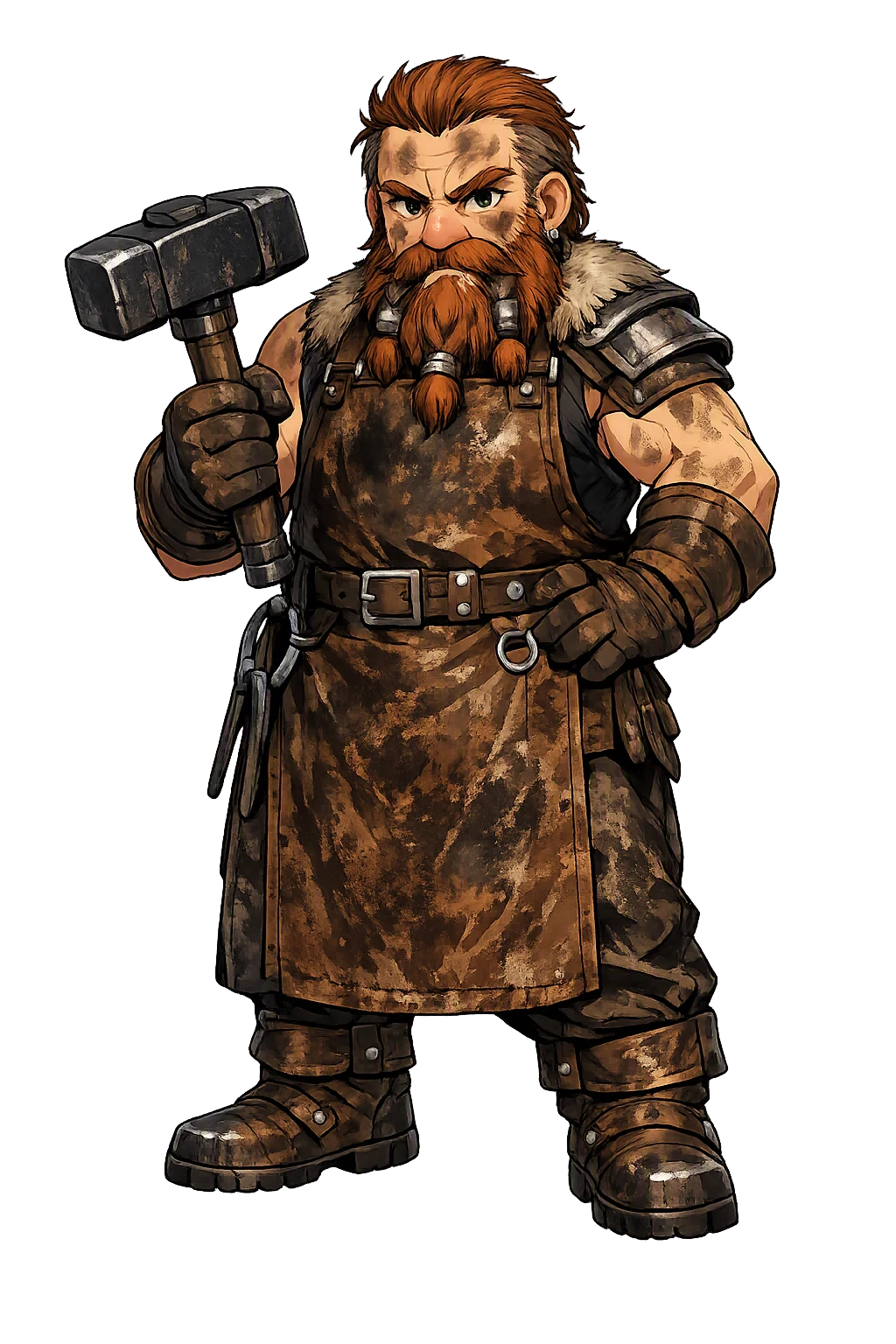
No cult of Brokkr is attested, and none should be expected: the dwarfs of the corpus receive no altars, no festivals, no votives — they are craftsmen, not gods. The devotion nearest him is the devotion to the craft itself, the forge being the one place where the North's stories admit that hands — subterranean ones — made the gods' power. What the record actually preserves is his name in the world of men: the runic stones know Brokkr only as an ordinary man's name, worn by farmers with no cultic claim on any carving, and the word behind it, brokkr, 'badger', kept its small place in the dictionaries. The smith's real archaeology belongs to his trade rather than his myth — the Mästermyr tool chest from Gotland, buried about the year 1000 with its bellows, hammers, tongs, and anvils, is the material world the story presumes. The cult belonged to what he made: the hammer-amulets worn across the Viking world are, in a strict sense, Brokkr's only votive footprint.