
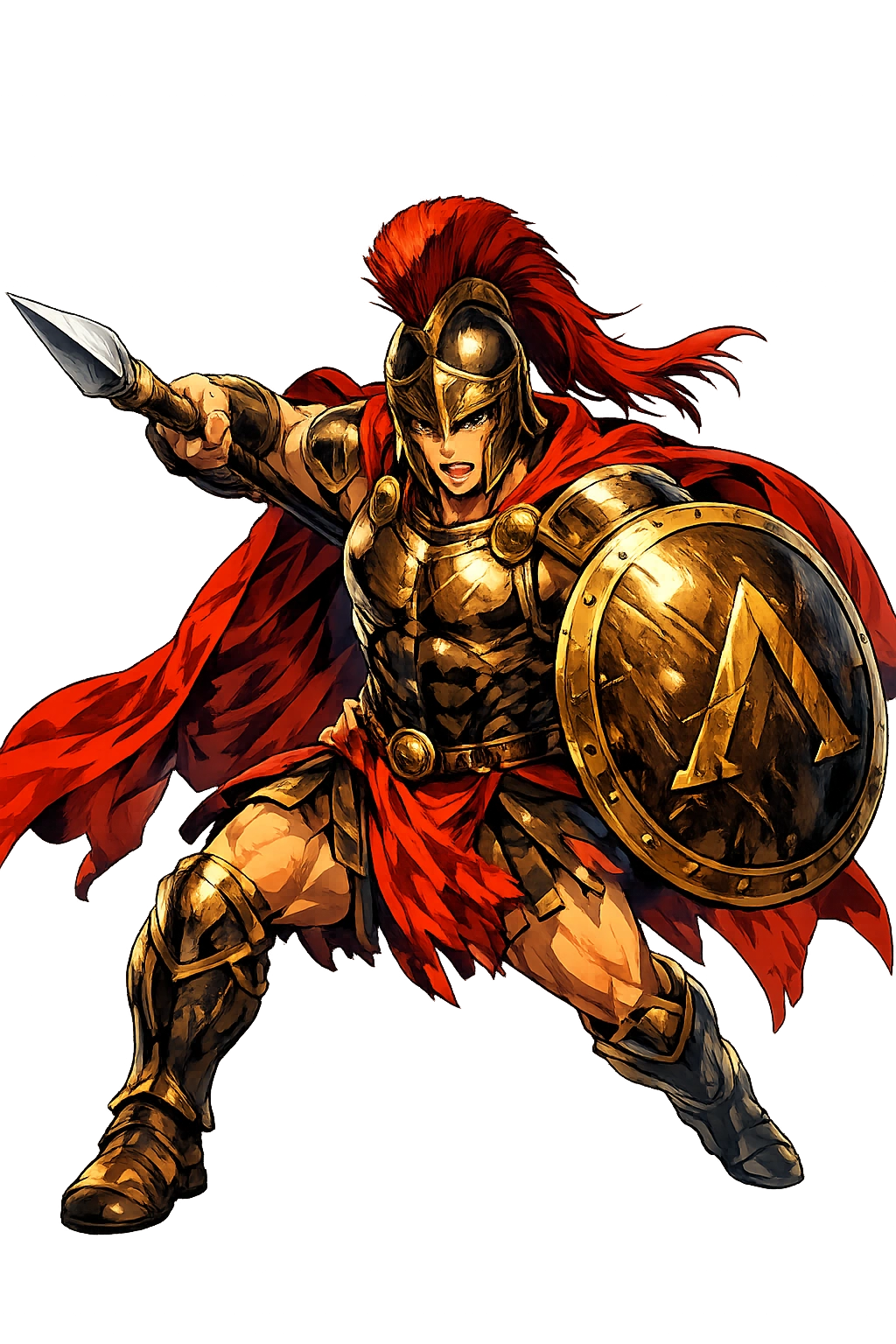
The Cult
Ares' cult was real but thin, and the Greeks knew it. In mainland cities he rarely owned temples; Athens remembered him chiefly through the Areopagus, the hill named for his mythic murder trial. Where he flourished was the fringe. Herodotus reports that the Thracians worshipped no gods above Ares, Dionysus, and Artemis (5.7), and among the Scythians Ares was an ancient iron scimitar set on a platform of brushwood, offered yearly libations of wine and, in wartime, prisoners (4.62). The Spartans sacrificed a puppy to Enyalios — his warlike double or epithet — a rite of savage economy recorded by Pausanias (3.14.9). Theban tradition counted him among the city's ancestors through Harmonia, his daughter by Aphrodite. His cult persona matched his myths: martial potency honored at the margins of the polis, rarely at its hearth. The Homeric Hymn to Ares, a late address to the god as cosmic guardian, shows his image softening just as his cult faded.