
The Cult
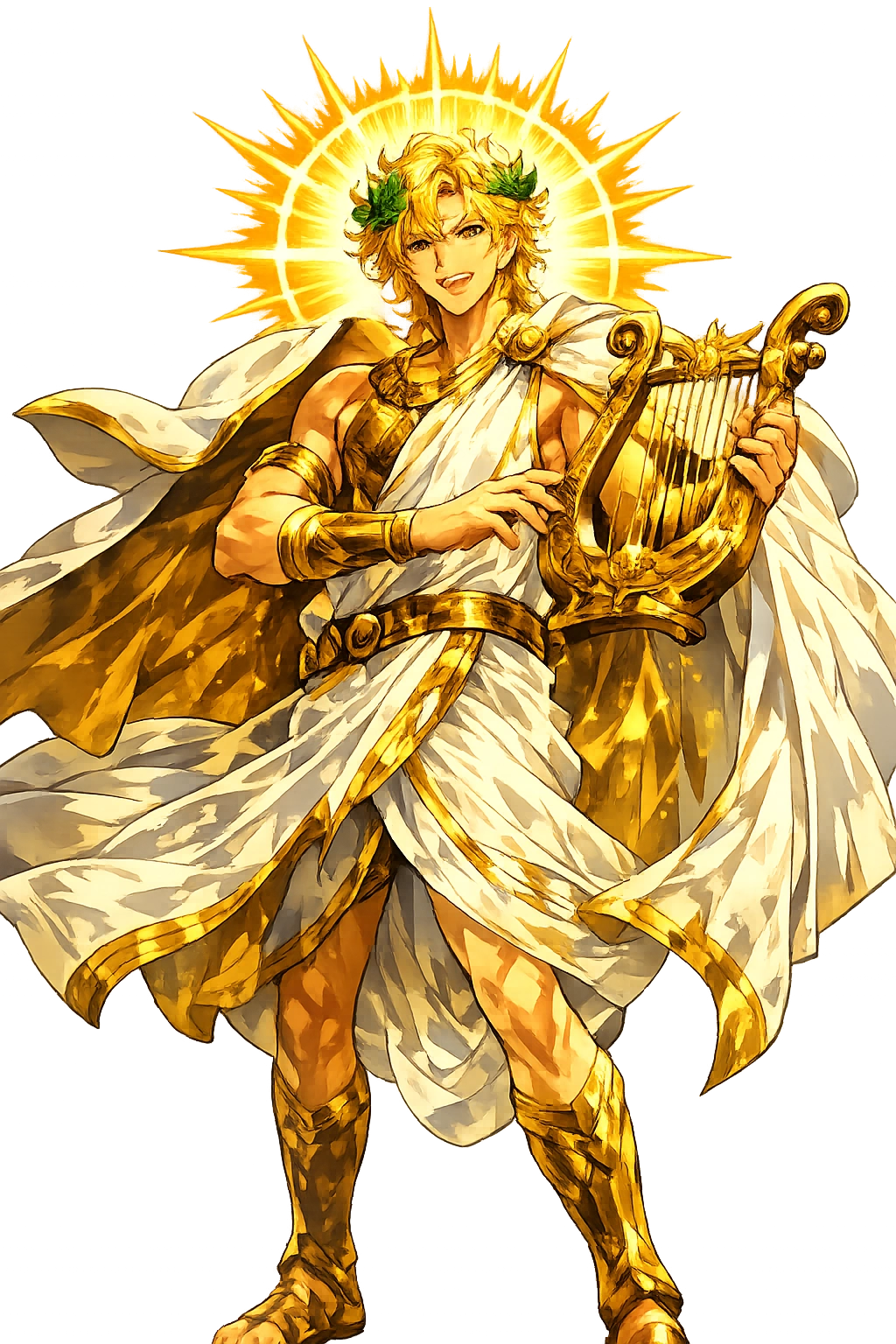
Apollo was worshipped wherever Greeks sailed, but his cult had two poles. At Delphi his priestess the Pythia, seated on the tripod above the chasm, delivered his oracles to cities and kings, and the sanctuary grew rich on their dedications — Croesus of Lydia sent gifts of beaten gold (Herodotus 1.50–51), and the Siphnian and Athenian treasuries still stand along the Sacred Way. Every four years the Pythian Games gathered the Greek world for contests of music and athletics. At Delos the Delia and the great penteteric festival marked his birth with choirs of maidens before the horned altar. Cities kept their own calendars: Athens sang paeans and, in the plague year, purified Delos (Thucydides 2.47); Sparta danced the Karneia for Apollo Karneios; and at Amyklai the Hyakinthia joined the god's crown to the mourning of Hyacinthus — a festival where celebration and grief shared one sanctuary.