PuniCodex

Extended Lore

Xiān

Etymology · Phonology · Orthography · Cultural Legacy · Primary Sources

Tier 2 Xiān
Xiān — Immortal, Transcendent
01

Quick Facts

Essential information about Xiān, Immortal, Transcendent

Original Script
Unicode RestorationXiān
Reconstructed Pronunciation/ɕjɛn˥˥/
PantheonChinese
DomainImmortal, Transcendent
MeaningImmortal
ClassificationTier 2
Primary DomainXiān
Sacred SymbolsCrane, Peach of immortality, Gourd, Clouds and mist
02

Etymology & Word Family

From original script to Unicode restoration

Original Script Xiān — "Immortal"
Unicode Restoration Xiān Restored stress, length, and script
Modern ASCII xian Plain-ASCII fallback

仙 denotes a transcendent being in Daoism, distinct from ordinary gods (shén) and from Buddhist arhats or bodhisattvas. The character combines 人 (person) with 山 (mountain), suggesting one who withdraws to the heights. The Pinyin restoration Xiān preserves the high level tone.

03

Unicode Character Breakdown

Character-by-character philological analysis

CharacterUnicodeNameBlockPhonetic Role
XU+0058Latin Capital Letter XBasic LatinSame, capitalized
iU+0069Latin Small Letter IBasic LatinSame
āU+0101Latin Small Letter A with MacronLatin Extended-ALong vowel
nU+006ELatin Small Letter NBasic LatinSame

The Tier 2 classification reflects which ancient features stress, length, or script are preserved in this restoration.

04

Cultural Significance

From ancient cult to modern Unicode

Ancient Domain

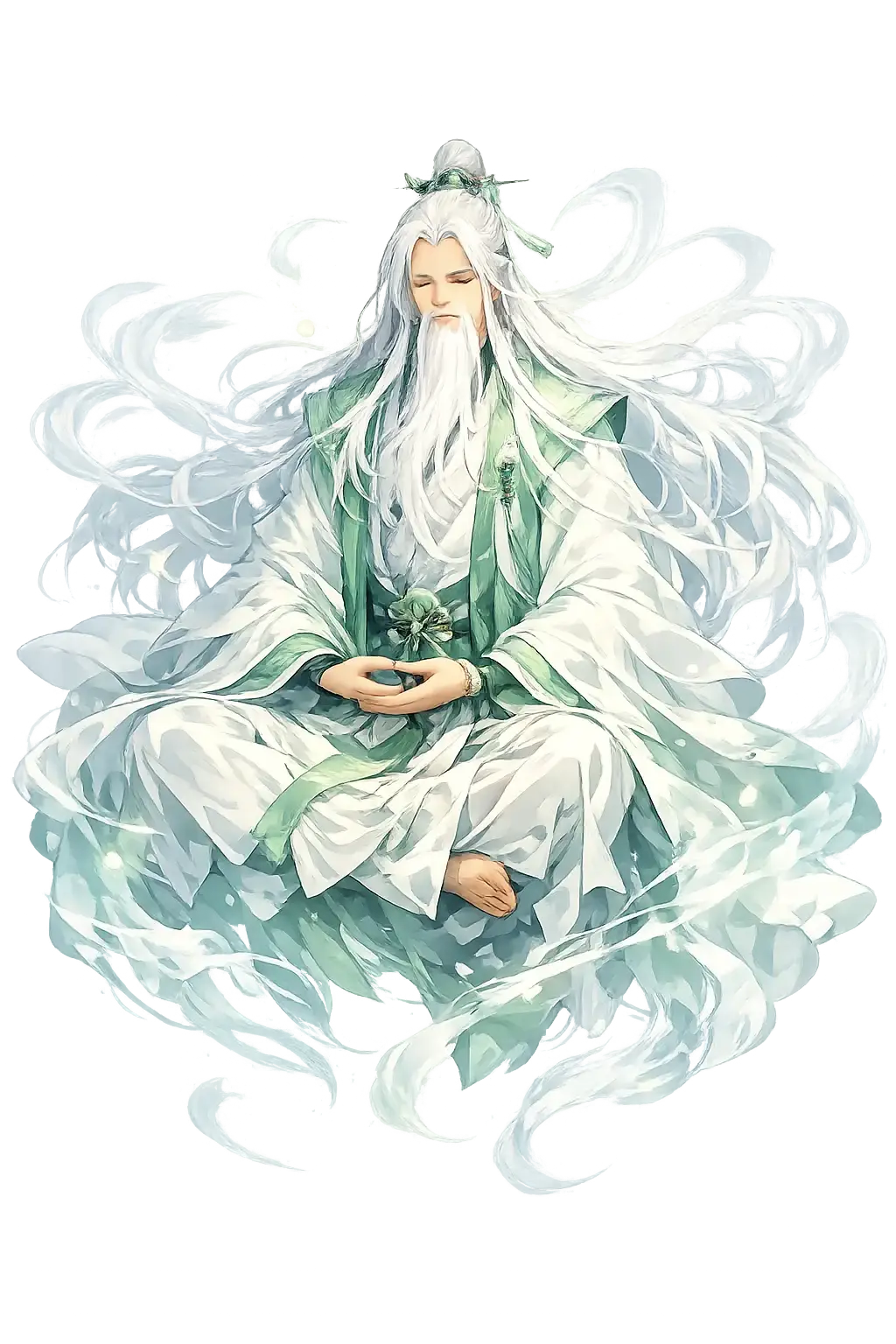
Xiān is the Chinese immortal: a human being who has refined body and spirit until death no longer applies. Unlike the gods of popular religion, who receive offerings and grant petitions, the xiān has escaped the bureaucracy of heaven and earth. He or she dwells in mountains, rides clouds or cranes, and appears unpredictably to those who have cultivated the Dao.

The path to becoming xiān is not faith but practice: meditation, breath control, diet, alchemy, and moral discipline. Immortality is an achievement, not a gift.

Xiān in Later Traditions

The xiān tradition absorbed many influences. Indigenous Chinese quest for longevity merged with shamanic flight, alchemical experimentation, and Buddhist meditation techniques. The figure of the wandering immortal influenced Chan Buddhism, Confucian self-cultivation, and Chinese poetry and painting. In popular religion, local spirits and historical figures were posthumously enrolled as xiān. The West knows the xiān chiefly through the Eight Immortals and martial-arts films, where they appear as eccentric sages with superhuman powers. Modern Daoist lineages continue to practice neidan in pursuit of the same goal.

Modern Legacy

Xiān permeate Chinese culture. They appear in landscape painting as tiny figures on misty peaks, in New Year prints carrying peaches and gourds, and in countless novels, operas, and films. The aspiration to longevity shapes Chinese medicine, diet, and exercise practices such as tai chi and qigong. The word xiān is also used for extraordinary people: a great cook is a 'food immortal,' a beautiful woman a 'fairy.' In global spirituality, the xiān offers an alternative to Western heaven: not a reward after death but a transformation of life itself, achieved through sustained practice.

Unicode Restoration as Cultural Act

Restoring Xiān in a domain name is more than orthographic accuracy. It is a statement that the internet should recognize the full range of human writing — not only the ASCII keyboard.

05

Frequently Asked Questions

Common questions about Xiān, Immortal, Transcendent, and Unicode restoration

01How do you pronounce Xiān?

In reconstructed pronunciation, Xiān is /ɕjɛn˥˥/ — approximately SHYEHN — a high, level tone held steady, with a light 'sh' that touches the palate..

02What does Xiān mean?

Xiān means Immortal in the chinese tradition.

03What are the symbols of Xiān?

Xiān is associated with Crane (The mount and companion of immortals; a thousand-year lifespan.), Peach of immortality (The fruit of the Queen Mother of the West's garden, ripening every three thousand years.), Gourd (The bottle that holds elixirs, medicines, and the boundless space of the Dao.), Clouds and mist (The medium through which immortals travel and the boundary between mortal and transcendent realms.).

04Why restore Xiān in Unicode?

Plain ASCII xian strips the stress, length, and script that make the name specific. Unicode restoration returns the name to its original written dignity.

05What is the most important myth about Xiān?

The most famous xiān are the Eight Immortals, each representing a different social type and a different path to transcendence. Zhōnglí Quán was a general; Lǚ Dòngbīn a scholar; Hé Xiāngū a woman who nourished her spirit; Lán Cǎihé a gender-ambiguous beggar; and so on. Their collective journeys show that immortality is open to anyone who cultivates the Dao, regardless of birth.

06

Scholarly Sources

The philological foundations of this restoration

Every claim on this page is grounded in established scholarship. The orthographic restorations follow disciplinary convention. The etymological chain follows the best available reference works. This is not invention — it is resurrection through scholarship.

Lexicography & Philology

  • Daoist Canon
  • Chinese folklore

Primary Texts

  • Primary sources in the chinese tradition for Xiān.

Archaeology & Art History

  • Material evidence — iconography, inscriptions, and temple archaeology — for Xiān and related cults.
  • The xiān tradition is attested in Warring States and Han dynasty texts, tomb art showing feathered immortals ascending to heaven, and the Mawangdui tomb manuscripts on longevity and breath cultivation. Medieval Daoist caves and temple murals depict the Eight Immortals and other transcendent figures. Alchemists' stoves, elixir recipes, and neidan manuals survive in the Daozang and in archaeological contexts from the Han through the Song dynasties.

Religious Studies

  • Daozang (Daoist Canon)
  • Campany, To Live as Long as Heaven and Earth
  • Kohn, Daoism and Chinese Culture
  • Pregadio, The Encyclopedia of Taoism
  • Bokenkamp, Early Daoist Scriptures
  • Unihan Database (Unicode Consortium)
Return

The Surface Awaits

You have traced the name from its earliest attestation to its Unicode restoration. Now return to the myth. The story is where the name lives.

Back to Lore
Xiān mascot