PuniCodex

Extended Lore

Τροία Troíā

Etymology · Phonology · Orthography · Cultural Legacy · Primary Sources

Tier 1 Troíā.com
Troíā — City of Priam
01

Quick Facts

Essential information about Troíā, City of Priam

Original ScriptΤροία
Unicode RestorationTroíā
Reconstructed Pronunciation/troí.aː/
PantheonGreek Location
DomainCity of Priam
MeaningUnknown; possibly from Τρωός
ClassificationTier 1
Primary DomainTroíā.com
Sacred SymbolsThe wooden horse, The Scaean Gate, The Palladium
02

Etymology & Word Family

From original script to Unicode restoration

Original Script Τροία Troíā — "Unknown; possibly from Τρωός"
Unicode Restoration Troíā Restored stress, length, and script
Modern ASCII troia Plain-ASCII fallback

Greek Τροία bears the stress on the final syllable with a long diphthongal ending — Troíā — and Latin Troia keeps both the vowels and the fame. The form was already a place-name before it was a story: Hittite records call the land Wilusa, which most scholars now connect to (W)ilios, Troy's other Greek name.

03

Unicode Character Breakdown

Character-by-character philological analysis

CharacterUnicodeNameBlockPhonetic Role
TU+0054Latin Capital Letter TBasic LatinTau
rU+0072Latin Small Letter RBasic LatinRho
oU+006FLatin Small Letter OBasic LatinShort omicron
íU+00EDLatin Small Letter I with AcuteLatin-1 SupplementAcute on iota
āU+0101Latin Small Letter A with MacronLatin Extended-ALong final alpha

The Tier 1 classification reflects which ancient features stress, length, or script are preserved in this restoration.

04

Cultural Significance

From ancient cult to modern Unicode

Ancient Domain

Troíā is the city that fell once and rose forever: ten years of siege made it the template of Western war narrative, and its survivors — in Roman myth — sailed west to found the lineage of Rome itself. Every empire since has wanted to be Troy's heir rather than its conqueror.

Troíā in Later Traditions

Rome adopted Troy as mother: the Aeneid makes Aeneas' refugees the seed of the Roman people, and Ilium Novum — New Troy — received Roman privileges as a symbolic ancestor. The Middle Ages multiplied the claim: the Franks, the Britons (through Brutus of Troy in Geoffrey of Monmouth), and half the dynasties of Europe forged Trojan genealogies. "Trojan" became a compliment — faithful, brave — even in the languages of the Greeks' heirs.

Modern Legacy

"Trojan horse" is now the universal term for a payload hidden inside a gift — the computing term is simply the myth recompiled. The question "was Troy real?" launched modern archaeology: Schliemann's excavations at Hisarlık (1870s–90s) proved a fortified Bronze Age citadel exactly where Homer put it. The Hittite archives' Wilusa and Taruisa, matched to (W)ilios and Troia by a century of scholarship, made Troy the test case for how myth and document corroborate each other.

Unicode Restoration as Cultural Act

Restoring Troíā in a domain name is more than orthographic accuracy. It is a statement that the internet should recognize the full range of human writing — not only the ASCII keyboard.

05

Frequently Asked Questions

Common questions about Troíā, City of Priam, and Unicode restoration

01How do you pronounce Troíā?

In reconstructed pronunciation, Troíā is /troí.aː/ — approximately TROY-ah, with the stress on the final syllable and a long ā..

02What does Troíā mean?

Troíā means Unknown; possibly from Τρωός in the greek-location tradition.

03What are the symbols of Troíā?

Troíā is associated with The wooden horse (Ingenuity against fortification; the gift that conceals its content), The Scaean Gate (The western gate where the heroes fought and the horse entered), The Palladium (The heaven-fallen image of Athēnā on which the city's safety depended).

04Why restore Troíā in Unicode?

Plain ASCII troia strips the stress, length, and script that make the name specific. Unicode restoration returns the name to its original written dignity.

05What is the most important myth about Troíā?

Eris, uninvited to the wedding of Pēleús and Thetis, threw a golden apple inscribed "for the fairest." Zeús delegated the verdict to the Trojan prince Paris, herding on Mount Ida: Hēra offered empire, Athēnā victory, Aphrodítē the most beautiful woman in the world. He chose the woman — Helen, wife of Menelaos — and the war became arithmetic.

06

Scholarly Sources

The philological foundations of this restoration

Every claim on this page is grounded in established scholarship. The orthographic restorations follow disciplinary convention. The etymological chain follows the best available reference works. This is not invention — it is resurrection through scholarship.

Lexicography & Philology

  • Pape, W., & Benseler, G. E. Wörterbuch der griechischen Eigennamen. Braunschweig: Vieweg, 1884.
  • Barrington

Primary Texts

  • Iliad
  • Homer
  • Euripides
  • Apollodorus

Archaeology & Art History

  • Material evidence — iconography, inscriptions, and temple archaeology — for Troíā and related cults.
  • Hisarlık in northwest Anatolia preserves nine major settlement layers (Troy I–IX), ca. 3000 BCE–500 CE. The candidates for Homer's city are Troy VI (destroyed ca. 1250 BCE, by earthquake or war) and Troy VIIa (burned ca. 1180 BCE, with sling stones and arrowheads in the destruction debris). UNESCO listed the site in 1998. The "Treasure of Priam" Schliemann smuggled out is now split between Moscow and Istanbul, and the Hittite Tawagalawa letter mentioning a king of Ahhiyawa (Achaeans?) at Millawanda places Greek-Anatolian conflict in the right sea at the right century.

Religious Studies

  • Hittite texts
  • Cambridge
Return

The Surface Awaits

You have traced the name from its earliest attestation to its Unicode restoration. Now return to the myth. The story is where the name lives.

Back to Lore
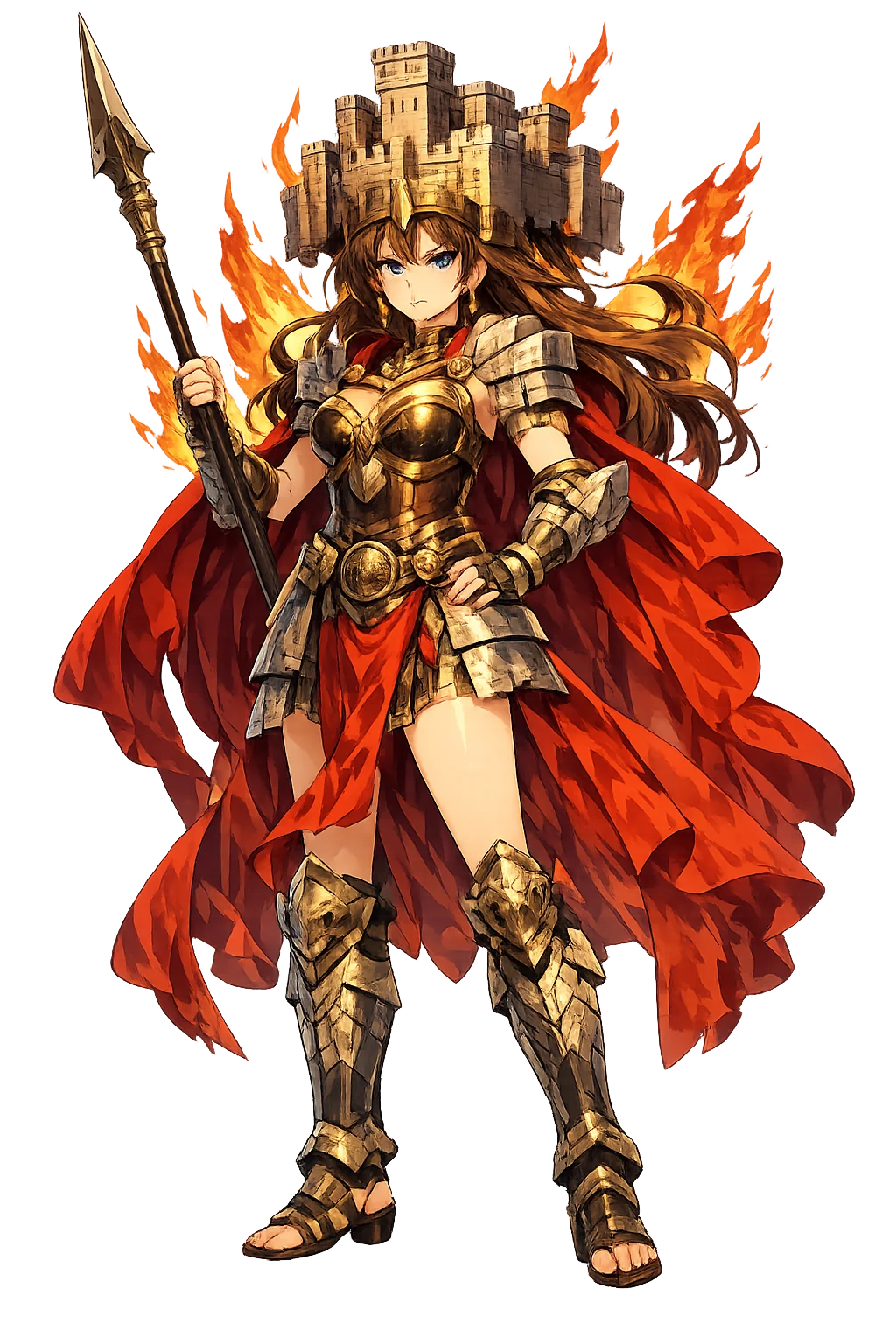
Troíā mascot