PuniCodex

Extended Lore

शनि Śani

Etymology · Phonology · Orthography · Cultural Legacy · Primary Sources

Tier 1 Śani.com
Śani — Justice, Saturn, Karma
01

Quick Facts

Essential information about Śani, Justice, Saturn, Karma

Original Scriptशनि
Unicode RestorationŚani
Reconstructed Pronunciation/ɕɐ.ni/
PantheonSanskrit
DomainJustice, Saturn, Karma
Meaning"The Slow One" — Saturn as the lord of karma, justice, discipline, and time
ClassificationTier 1
Primary DomainŚani.com
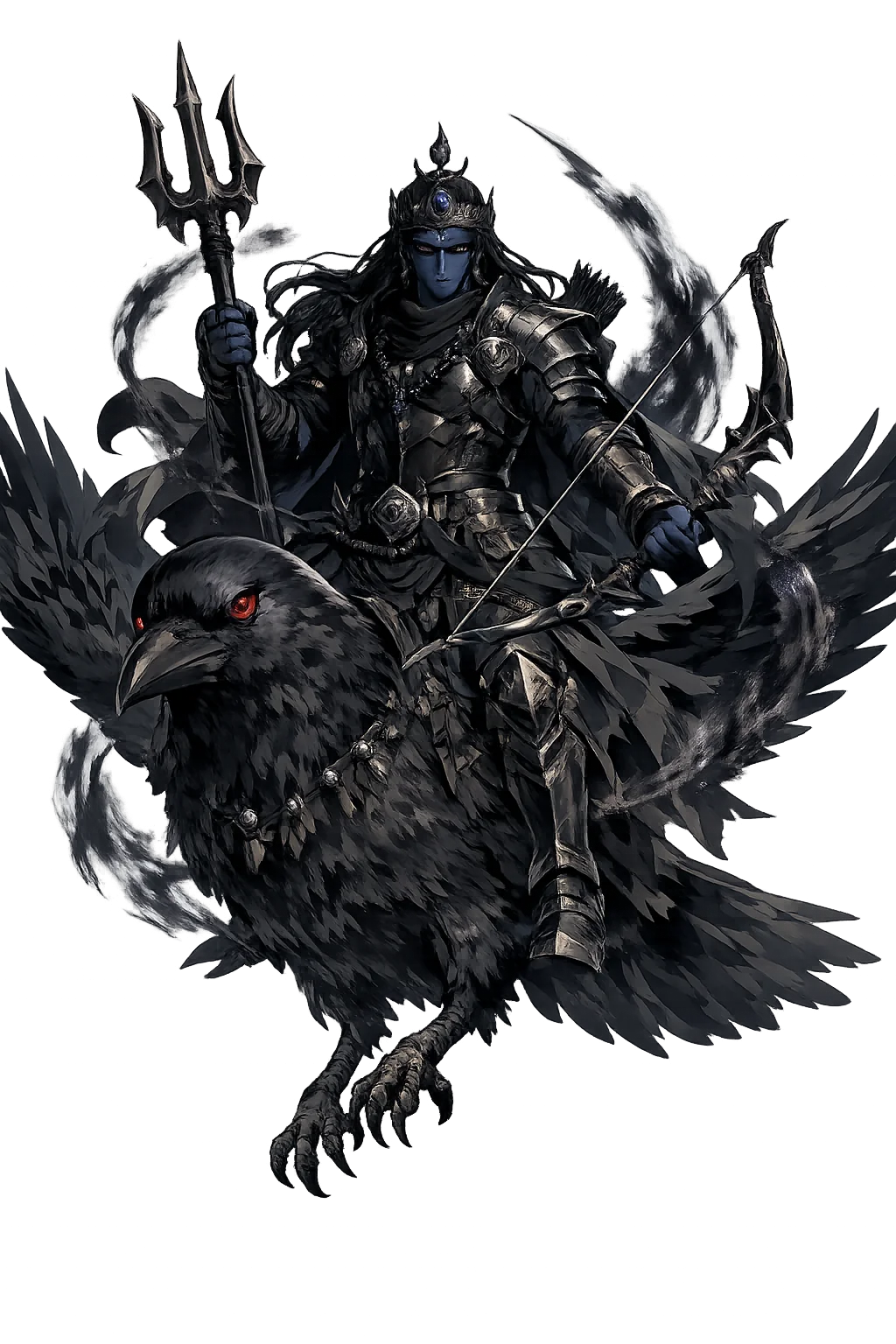
Sacred SymbolsThe crow, The iron, The slow orbit
02

Etymology & Word Family

From original script to Unicode restoration

Original Script शनि Śani — ""The Slow One" — Saturn as the lord of karma, justice, discipline, and time"
Unicode Restoration Śani Restored stress, length, and script
Modern ASCII sani Plain-ASCII fallback

Sanskrit śani — "the slow one" — begins with the palatal ś (IAST's acute-accented s) and the short a and i. The restoration keeps the ś that English writes "sh": Śani, the slow planet, whose very name is a warning about haste. The ś is the palatal sibilant, made at the roof of the mouth farther forward than sh — the sound English approximates but never quite keeps.

03

Unicode Character Breakdown

Character-by-character philological analysis

CharacterUnicodeNameBlockPhonetic Role
ŚU+015ALatin Capital Letter S with AcuteLatin Extended-APalatal ś (IAST)
aU+0061Latin Small Letter ABasic LatinSame
nU+006ELatin Small Letter NBasic LatinSame
iU+0069Latin Small Letter IBasic LatinSame

The Tier 1 classification reflects how much of the original phonology this restoration preserves — stress and vowel length for Greek names, distinctive letters and diacritics for every other tradition.

04

Cultural Significance

From ancient cult to modern Unicode

Ancient Domain

Śani is the most feared of the nine planets: Saturn as the auditor of karma, whose slow passage through the zodiac delivers every deed's return — never early, never late, and never, ever argued with. India loves him exactly as much as it fears him, which is to say, enormously.

Śani in Later Traditions

Saturn's malefic reputation is Indo-European common ground — the Greek Kronos' devouring shadow and Rome's cold planet carry the same dread — but India alone made the planet a judge to be appeased weekly. His temple at Shingnapur (Maharashtra), where the god is an unwalled black stone under open sky, is the anti-temple: no roof over the planet, as if architecture itself feared to constrain him.

Modern Legacy

"Śani chal raha hai" (Saturn is upon us) is the everyday explanation for every run of bad luck from Mumbai to Trinidad. His Saturday fast, his black-and-blue colors, his iron-and-sesame remedies constitute the largest planetary cult in the world. The fear is genuinely democratic: billionaires and bus-drivers check the same ephemeris, and Shingnapur's donations fund entire towns. Jyotiṣa, India's living astrology, centers on his slow clock.

Unicode Restoration as Cultural Act

Restoring Śani in a domain name is more than orthographic accuracy. It is a statement that the internet should recognize the full range of human writing — not only the ASCII keyboard.

05

Frequently Asked Questions

Common questions about Śani, Justice, Saturn, Karma, and Unicode restoration

01How do you pronounce Śani?

In reconstructed pronunciation, Śani is /ɕɐ.ni/ — approximately SHUH-nee — soft palatal sh, short and even..

02What does Śani mean?

Śani means "The Slow One" — Saturn as the lord of karma, justice, discipline, and time in the sanskrit tradition.

03What are the symbols of Śani?

Śani is associated with The crow (The dark mount — witness of the unavoidable), The iron (His metal — hard, cold, unglamorous, indispensable), The slow orbit (Twenty-nine-and-a-half years — time as the measure of justice).

04Why restore Śani in Unicode?

Plain ASCII sani strips the stress, length, and script that make the name specific. Unicode restoration returns the name to its original written dignity.

05What is the most important myth about Śani?

Born of Sūrya and Chhāyā — "Shadow," the substitute-wife the sun's true wife left in her place — Śani was the son the light refused to look at. His gaze fell so baleful that his own father's skin darkened at the meeting. The Purāṇas make the estrangement permanent: the planet of justice is the sun's shadow-child, and no amount of brilliance exempts the family from audit.

06

Scholarly Sources

The philological foundations of this restoration

Every claim on this page is grounded in established scholarship. The orthographic restorations follow disciplinary convention. The etymological chain follows the best available reference works. This is not invention — it is resurrection through scholarship.

Lexicography & Philology

  • Puranas
  • Mahabharata
  • Monier-Williams
  • MW
  • Brāhmaṇas
  • Cambridge

Primary Texts

  • The Ṛgveda; the Śatapatha Brāhmaṇa; the early Upaniṣads; the Śiva Purāṇa and Liṅga Purāṇa.

Archaeology & Art History

  • Material evidence — iconography, inscriptions, and temple archaeology — for Śani and related cults.
  • Shani Shingnapur's open-air black boulder — the village with famously doorless houses, trusting his protection — is his great shrine; the queue on Saturdays runs for kilometers. Navagraha temples across the South (the Kumbakonam circuit) install him among the nine planets in fixed order, and his bronze from the Chola period shows the stiff, dark, crow-mounted figure unchanged.

Religious Studies

  • Puranas
  • Monier-Williams
  • Mahabharata
  • MW
  • Cambridge
  • Oxford
Return

The Surface Awaits

You have traced the name from its earliest attestation to its Unicode restoration. Now return to the myth. The story is where the name lives.

Back to Lore
Śani mascot