Unicode restoration and ASCII comparison
Πῦρ
The name in its original Greek form. Pŷr (Πῦρ) is attested in the source tradition — “Fire”. Its acute accents carry the full phonetic and orthographic weight of the source tradition.
pyr
Reduced to plain pyr, the name loses everything that made it specific: acute accents. What remains is an ASCII string that machines can parse but that no longer speaks with its original voice.
Pŷr
The Unicode restoration recovers what ASCII flattened. Pŷr restores acute accents, returning the name to its original written dignity. The domain encodes to Punycode, but the browser displays the truth.
Pŷr.com → xn--pr-hva.com
The non-ASCII characters in Pŷr are encoded while the ASCII remains visible. To the DNS, it is Punycode. To humanity, it is Pŷr.
How Pŷr is preserved in writing
A bespoke provenance study for Pŷr is being prepared by the PUNICODEX scholarly team.
Contribute scholarly provenance →How Pŷr was spoken
Transformation, Purification, Cosmic Process
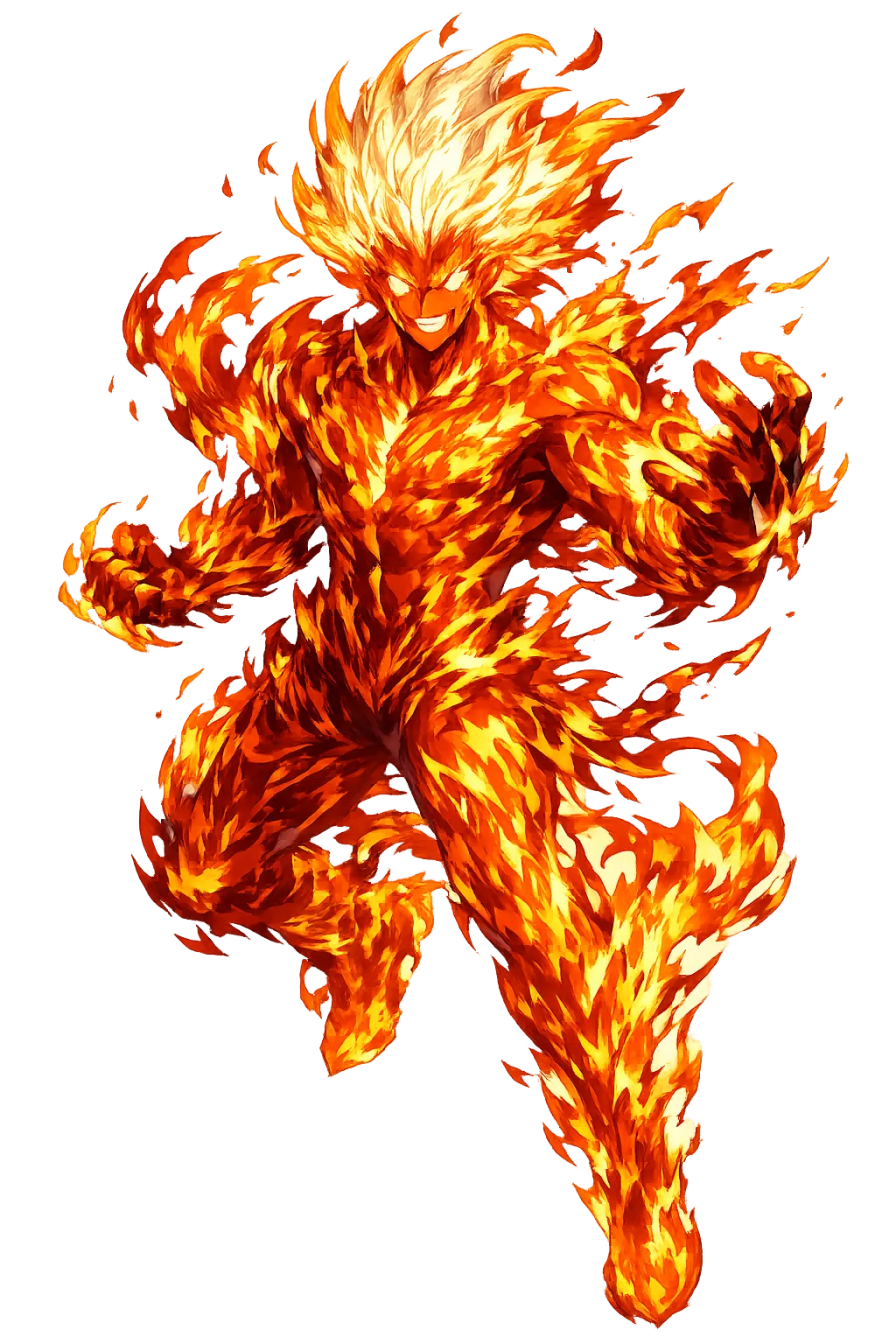
Pŷr is the Greek word for fire, an element that transforms, purifies, destroys, and illuminates. For Heraclitus it is the very substance of becoming; for cult it is the medium through which mortals communicate with gods.
Heraclitus made fire the arche: all things are an exchange for fire, and fire for all things.
Greek worship centered on altars where fire carried offerings upward to the gods.
Fire cleanses metals, bodies, and cities; it is both punishment and renewal.
The torch, the hearth, the beacon: fire as knowledge, safety, and communication.
Stories of Pŷr
Pŷr is elemental and mythic at once. It appears in the theft of fire by Prometheus, the forge of Hephaistos, and the philosophical cosmos of Heraclitus.
Prometheus deceived Zeus over the division of sacrifice and then stole fire from heaven, hiding it in a fennel stalk to give to mortals. Zeus punished him with the torment of the Caucasus and sent Pandora as a counter-gift. Fire is thus the stolen technology that makes civilization possible.
Heraclitus declared that 'all things are an exchange for fire, and fire for all things, as goods for gold and gold for goods.' Fire is the measure of transformation; it is war and peace, hunger and satiety. The cosmos is 'an ever-living fire, kindling in measures and going out in measures.'
In mysteries at Eleusis and elsewhere, fire marked the boundary between the uninitiated and the initiated. Torches, lamps, and fire-walking symbolized purification, vision, and the soul's passage through darkness into light.
Pŷr is the most alive of the elements. Earth rests, water flows, air moves, but fire consumes and transforms. It is never the same from moment to moment; it is pure becoming. Heraclitus saw in it the logos of the universe.
Enter Extended Lore