PuniCodex

Extended Lore

Φοῖνιξ Phoînix

Etymology · Phonology · Orthography · Cultural Legacy · Primary Sources

Tier 1 Phoînix.com
Phoînix — Rebirth, Immortality
01

Quick Facts

Essential information about Phoînix, Rebirth, Immortality

Original ScriptΦοῖνιξ
Unicode RestorationPhoînix
Reconstructed Pronunciation/pʰói̯.niks/
PantheonGreek
DomainRebirth, Immortality
MeaningPurple-red, Phoenician
ClassificationTier 1
Primary DomainPhoînix.com
Sacred SymbolsFlame, Palm tree, Spices and myrrh, Sun disk
02

Etymology & Word Family

From original script to Unicode restoration

Original Script Φοῖνιξ Phoînix — "Purple-red, Phoenician"
Unicode Restoration Phoînix Restored stress, length, and script
Modern ASCII phoenix Plain-ASCII fallback

Phoînix is Tier 1 because the Greek Φοῖνιξ contains both stress (circumflex on the diphong οι) and length (the diphthong counts as long). The circumflex combines pitch and length in a single character.

03

Unicode Character Breakdown

Character-by-character philological analysis

CharacterUnicodeNameBlockPhonetic Role
PU+0050Latin Capital Letter PBasic LatinP uppercase
hU+0068Latin Small Letter HBasic Latinh same
oU+006FLatin Small Letter OBasic Latino same
îU+00EELatin Small Letter I with CircumflexLatin-1 SupplementSpecial character
nU+006ELatin Small Letter NBasic Latinn same
iU+0069Latin Small Letter IBasic Latini same
xU+0078Latin Small Letter XBasic Latinx same

The Tier 1 classification reflects which ancient features stress, length, or script are preserved in this restoration.

04

Cultural Significance

From ancient cult to modern Unicode

Ancient Domain

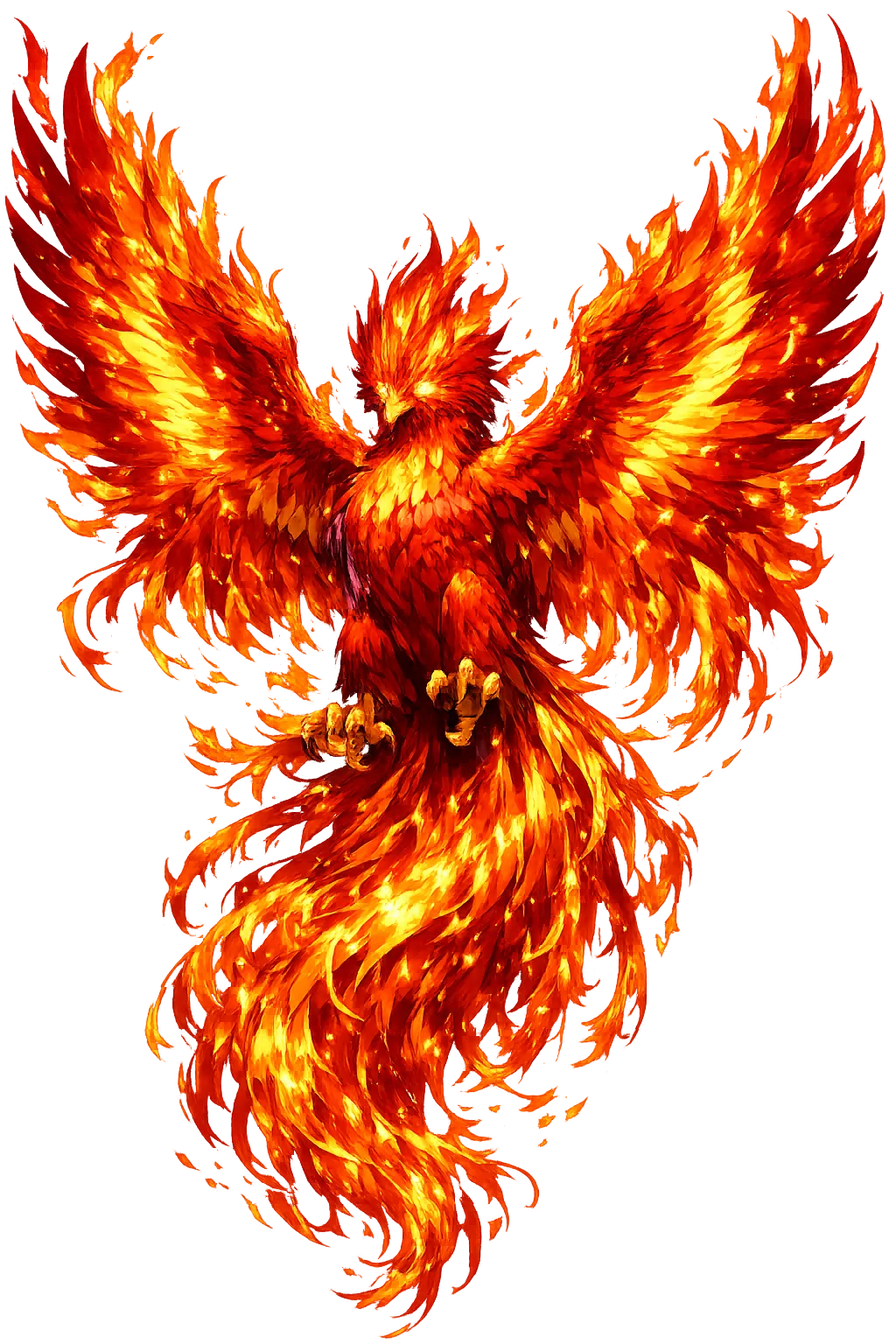
Phoînix is the Arabian bird that dies in fire and rises renewed from its own ashes. A symbol of solar rebirth and indomitable life, it appears in Greek, Roman, Egyptian, and later Christian and Islamic lore as the creature that overcomes death by transformation.

Phoînix in Later Traditions

The Greek phoenix is almost certainly a transformation of the Egyptian benu, the solar heron of Heliopolis associated with the sun-god Ra and the cyclical renewal of time. The name's color association linked it to Phoenician purple dye and to the palm tree (also phoinix in Greek). In Roman imperial iconography the phoenix marked the beginning of a new saeculum or age. Later alchemy, Christianity, and heraldry all absorbed it as a symbol of transformation and renewal.

Modern Legacy

The phoenix is one of the most durable symbols in world culture. It names sports teams, cities, spacecraft, and recovery movements. The phrase 'rise from the ashes' is its direct descendant. In popular culture it represents resilience, reinvention, and the possibility that destruction is not final. Its very name has become a verb for rebirth.

Unicode Restoration as Cultural Act

Restoring Phoînix in a domain name is more than orthographic accuracy. It is a statement that the internet should recognize the full range of human writing — not only the ASCII keyboard.

05

Frequently Asked Questions

Common questions about Phoînix, Rebirth, Immortality, and Unicode restoration

01How do you pronounce Phoînix?

In reconstructed pronunciation, Phoînix is /pʰói̯.niks/ — approximately 'FHOY-niks' — begin with a breathy 'ph', glide through the diphthong, and end with a crisp '-nix'..

02What does Phoînix mean?

Phoînix means Purple-red, Phoenician in the greek tradition.

03What are the symbols of Phoînix?

Phoînix is associated with Flame (The fire that destroys and regenerates the phoenix simultaneously), Palm tree (The phoenix builds its nest in a palm; the Greek word for palm, φοῖνιξ, puns on the bird's name), Spices and myrrh (The aromatic materials of the death-nest and the embalming of rebirth), Sun disk (The solar symbolism of the bird's eastern home and daily renewal).

04Why restore Phoînix in Unicode?

Plain ASCII phoenix strips the stress, length, and script that make the name specific. Unicode restoration returns the name to its original written dignity.

05What is the most important myth about Phoînix?

Herodotus (Histories 2.73) recounts what Egyptian priests told him: a sacred bird called the phoenix comes to Heliopolis once every 500 years, bearing the body of its father embalmed in an egg of myrrh. The story already contains the germ of self-renewal through death.

06

Scholarly Sources

The philological foundations of this restoration

Every claim on this page is grounded in established scholarship. The orthographic restorations follow disciplinary convention. The etymological chain follows the best available reference works. This is not invention — it is resurrection through scholarship.

Lexicography & Philology

  • Herodotus
  • Liddell, H. G., Scott, R., & Jones, H. S. A Greek-English Lexicon. Oxford: Clarendon Press, 9th ed. 1996.

Primary Texts

  • Homer. Iliad and Odyssey; Hesiod. Theogony and Works and Days.

Archaeology & Art History

  • Material evidence — iconography, inscriptions, and temple archaeology — for Phoînix and related cults.
  • No Greek temple was dedicated specifically to the phoenix, but the bird appears in Roman mosaics, sarcophagi, and coins — especially those celebrating a new imperial era. Egyptian representations of the benu heron at Heliopolis underlie the Greek iconographic tradition. Early Christian catacombs and basilicas adopted the phoenix as a resurrection symbol.

Religious Studies

  • Beekes, Etymological Dictionary of Greek
  • Herodotus, Histories
  • Pliny the Elder, Natural History
  • Tacitus, Annals
  • Physiologus
Return

The Surface Awaits

You have traced the name from its earliest attestation to its Unicode restoration. Now return to the myth. The story is where the name lives.

Back to Lore
Phoînix mascot