PuniCodex

Extended Lore

Φάνης Phánēs

Etymology · Phonology · Orthography · Cultural Legacy · Primary Sources

Tier 1 Phánēs.com
Phánēs — Procreation, Light
01

Quick Facts

Essential information about Phánēs, Procreation, Light

Original ScriptΦάνης
Unicode RestorationPhánēs
Reconstructed Pronunciation/pʰá.nɛːs/
PantheonGreek
DomainProcreation, Light
MeaningBringer of light
ClassificationTier 1
Primary DomainPhánēs.com
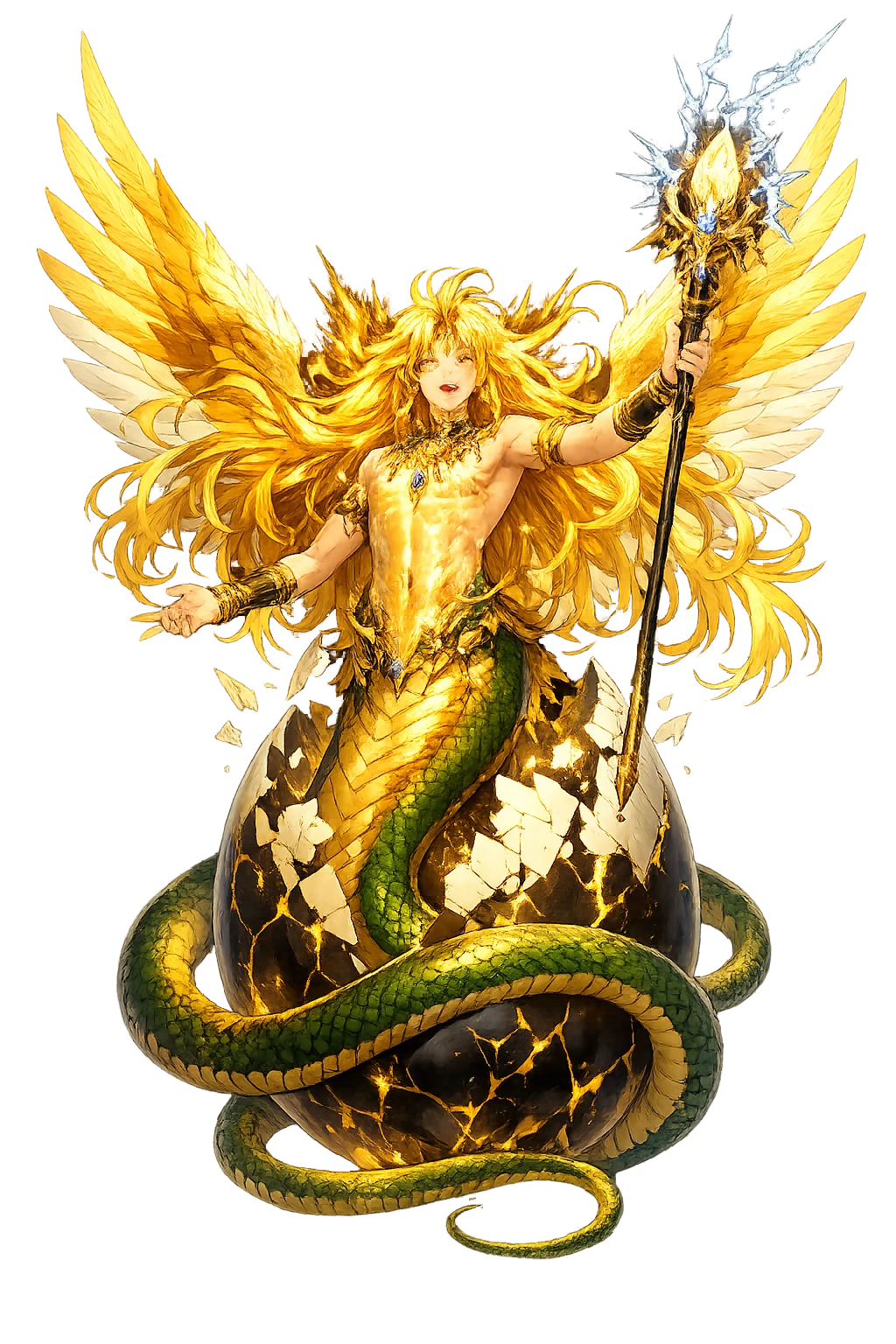
Sacred SymbolsThe golden wings, The egg, The serpent wrapped with him
02

Etymology & Word Family

From original script to Unicode restoration

Original Script Φάνης Phánēs — "Bringer of light"
Unicode Restoration Phánēs Restored stress, length, and script
Modern ASCII phanes Plain-ASCII fallback

Phánēs takes his name from the verb φαίνω, "to bring to light, to reveal" — the same root as "phenomenon" and "epiphany." The accent is recessive on the first syllable; the long ē of the second syllable is what the macron preserves in the restoration. The Orphic hymns scan the name as two syllables, stress on the first; the Latin poets wrote it Phanes unchanged.

03

Unicode Character Breakdown

Character-by-character philological analysis

CharacterUnicodeNameBlockPhonetic Role
PU+0050Latin Capital Letter PBasic LatinP uppercase
hU+0068Latin Small Letter HBasic Latinh same
áU+00E1Latin Small Letter A with AcuteLatin-1 SupplementAcute on a
nU+006ELatin Small Letter NBasic Latinn same
ēU+0113Latin Small Letter E with MacronLatin Extended-AMacron: long vowel
sU+0073Latin Small Letter SBasic Latins same

The Tier 1 classification reflects which ancient features stress, length, or script are preserved in this restoration.

04

Cultural Significance

From ancient cult to modern Unicode

Ancient Domain

Phánēs is the hidden first god of the Orphic theogonies: hatched from the silver egg of Time, winged and shining, the first form in which the universe could see itself. Zeús himself will swallow him — and in swallowing, become everything.

Phánēs in Later Traditions

Greeks equated him with Erōs (the oldest god in Hesiod's alternative genealogy), with Mētis ("counsel"), and with Dionysos in his first, pre-Zagreus form — Orphism's theology is deliberately fluid. Scholars have long noted the kinship between Phánēs and the Mithraic lion-headed god wrapped by the serpent, and between the Orphic egg and Egyptian and Vedic world-eggs: the "first-shining" is one of humanity's recurring answers to the question of beginnings.

Modern Legacy

Plato absorbed Orphic creation into the Timaeus; the Neoplatonists made Phánēs a fixed metaphysical grade — Proclus cites him constantly. The word he gives us is as large as his myth: "phenomenon" (that which shines forth), "epiphany," "fantasy." Modern depth psychology's "primordial light" and the physics metaphor of the cosmic egg both descend, by way of Alexandria and Byzantium, from his hatching.

Unicode Restoration as Cultural Act

Restoring Phánēs in a domain name is more than orthographic accuracy. It is a statement that the internet should recognize the full range of human writing — not only the ASCII keyboard.

05

Frequently Asked Questions

Common questions about Phánēs, Procreation, Light, and Unicode restoration

01How do you pronounce Phánēs?

In reconstructed pronunciation, Phánēs is /pʰá.nɛːs/ — approximately FAH-nace, stress on the first syllable with a long ē..

02What does Phánēs mean?

Phánēs means Bringer of light in the greek tradition.

03What are the symbols of Phánēs?

Phánēs is associated with The golden wings (The speed of first light spreading through unformed aithēr), The egg (The cosmos before division — shell, white, and yolk as earth, sea, and sky), The serpent wrapped with him (Time and necessity coiled around the first revelation).

04Why restore Phánēs in Unicode?

Plain ASCII phanes strips the stress, length, and script that make the name specific. Unicode restoration returns the name to its original written dignity.

05What is the most important myth about Phánēs?

In the Orphic Rhapsodies, Chronos — Time unaging — fashions a silver egg in the divine aithēr. The egg splits, and Phánēs emerges: double-sexed, four-eyed, golden-winged, a bull-roarer here, a serpent there, "the first-born, the revealer," who brings light to the blessed gods and gives birth to the race of immortals.

06

Scholarly Sources

The philological foundations of this restoration

Every claim on this page is grounded in established scholarship. The orthographic restorations follow disciplinary convention. The etymological chain follows the best available reference works. This is not invention — it is resurrection through scholarship.

Lexicography & Philology

  • Orphic
  • West, M. L. Indo-European Poetry and Myth. Oxford: Oxford University Press, 2007.

Primary Texts

  • Plato

Archaeology & Art History

  • Material evidence — iconography, inscriptions, and temple archaeology — for Phánēs and related cults.
  • Phánēs left no temples — Orphic cult was initiatory and book-based — but two extraordinary documents survive: the Derveni papyrus (Thessaloniki, Archaeological Museum), quoting and interpreting the theogony, and the Orphic gold tablets from graves in Thessaly, Crete, and South Italy, whose instructions to the dead ("I am a child of Earth and starry Heaven") breathe the same cosmology. The Modena relief of a winged, egg-born deity (2nd century CE) is often, if cautiously, associated with his iconography.

Religious Studies

  • Orphic
  • Aristotle
  • Cambridge
Return

The Surface Awaits

You have traced the name from its earliest attestation to its Unicode restoration. Now return to the myth. The story is where the name lives.

Back to Lore
Phánēs mascot