PuniCodex

Extended Lore

Pángǔ

Etymology · Phonology · Orthography · Cultural Legacy · Primary Sources

Tier 1 Pángǔ.com
Pángǔ — Creation, Separation, Foundation
01

Quick Facts

Essential information about Pángǔ, Creation, Separation, Foundation

Scholarly TransliterationPángǔ
Unicode RestorationPángǔ
Reconstructed Pronunciation/pʰa˧˥ ku˨˩˦/
PantheonChinese
DomainCreation, Separation, Foundation
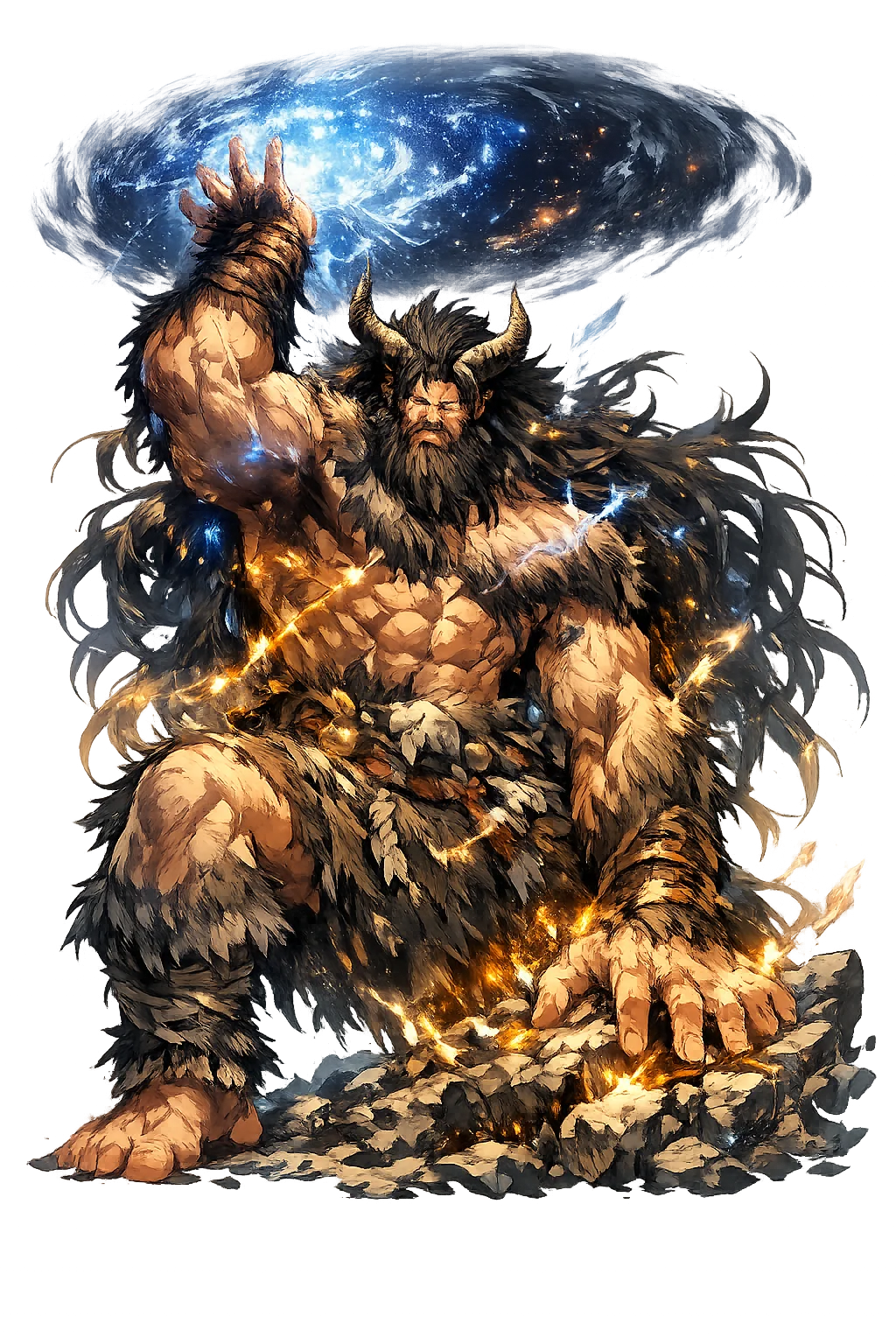
Meaning'Coiled antiquity' (盤古), the giant who split heaven from earth
ClassificationTier 1
Primary DomainPángǔ.com
Sacred SymbolsThe egg, The horns, The pillars of his limbs
02

Etymology & Word Family

From original script to Unicode restoration

Scholarly Transliteration Pángǔ Pángǔ — "'Coiled antiquity' (盤古), the giant who split heaven from earth"
Unicode Restoration Pángǔ Restored stress, length, and script
Modern ASCII pangu Plain-ASCII fallback

Pángǔ 盘古 carries the rising tone on páng and the dipping third tone on gǔ ("antiquity"); the name pairs "coiling" with "ancient" — the coiled one of the primordial egg. Written 盤古 in traditional characters, it is Chinese myth's youngest great name: the giant is attested only from the 3rd century CE.

03

Unicode Character Breakdown

Character-by-character philological analysis

CharacterUnicodeNameBlockPhonetic Role
PU+0050Latin Capital Letter PBasic LatinSame letter
áU+00E1Latin Small Letter A with AcuteLatin-1 SupplementStress mark (acute/tone)
nU+006ELatin Small Letter NBasic LatinSame letter
gU+0067Latin Small Letter GBasic LatinSame letter
ǔU+01D4Latin Small Letter U with CaronLatin Extended-BPreserves the base letter

The Tier 1 classification reflects which ancient features stress, length, or script are preserved in this restoration.

04

Cultural Significance

From ancient cult to modern Unicode

Ancient Domain

Pángǔ is China's creation made flesh: the giant who grew for eighteen thousand years inside the cosmic egg, pushed heaven and earth apart with his own body, and — dying at last — became the world itself: his eyes the sun and moon, his breath the wind, his voice the thunder.

Pángǔ in Later Traditions

The Pángǔ–Pán Hù debate is one of Chinese mythology's famous problems: the southern dog-ancestor of the Yao and She peoples and the cosmic giant share a syllable and a region, and scholars from the Republican era onward have argued transmission in both directions. Comparative mythology places him with the dismembered primordial beings — Vedic Púruṣa, Norse Ymir — whose bodies become worlds: China's version is distinctive for making the giant's death not a murder but a completion.

Modern Legacy

"Since Pángǔ separated heaven and earth" is the standard Chinese formula for "since the beginning of time," and his myth opens every children's account of Chinese prehistory. The transformation — body to landscape — gave Chinese poetry one of its deepest image-families, the mountain-as-body. UNESCO-listed school textbooks, animated films, and the giant's statues across southern China (Henan's Tongbai county claims his birthplace) keep the youngest creator as the most familiar.

Unicode Restoration as Cultural Act

Restoring Pángǔ in a domain name is more than orthographic accuracy. It is a statement that the internet should recognize the full range of human writing — not only the ASCII keyboard.

05

Frequently Asked Questions

Common questions about Pángǔ, Creation, Separation, Foundation, and Unicode restoration

01How do you pronounce Pángǔ?

In reconstructed pronunciation, Pángǔ is /pʰa˧˥ ku˨˩˦/ — approximately pahng-goo, rising tone on Pang, low-dipping on Gu..

02What does Pángǔ mean?

Pángǔ means 'Coiled antiquity' (盤古), the giant who split heaven from earth in the chinese tradition.

03What are the symbols of Pángǔ?

Pángǔ is associated with The egg (Chaos as potential — the undivided whole that must crack to become a world), The horns (His folk-iconography — the shaggy, horned giant of the first morning), The pillars of his limbs (The four limbs as the four sacred mountains — the body as geography).

04Why restore Pángǔ in Unicode?

Plain ASCII pangu strips the stress, length, and script that make the name specific. Unicode restoration returns the name to its original written dignity.

05What is the most important myth about Pángǔ?

Xú Zhěng's Sānwǔ lìjì gives the founding text: "Heaven and earth were chaos like a hen's egg, and Pángǔ was born within it. After eighteen thousand years, heaven and earth opened: the bright, light qì rose to become heaven; the dark, heavy qì sank to become earth. Pángǔ stood between them, changing nine times daily — heaven rising ten feet a day, earth thickening ten feet, and Pángǔ growing ten feet — for eighteen thousand years more."

06

Scholarly Sources

The philological foundations of this restoration

Every claim on this page is grounded in established scholarship. The orthographic restorations follow disciplinary convention. The etymological chain follows the best available reference works. This is not invention — it is resurrection through scholarship.

Lexicography & Philology

  • Sanguozhi
  • Xu Zheng
  • Birrell

Primary Texts

  • Primary sources in the chinese tradition for Pángǔ.

Archaeology & Art History

  • Material evidence — iconography, inscriptions, and temple archaeology — for Pángǔ and related cults.
  • No cult-temple of Pángǔ predates the myth's literary arrival, but his material afterlife is real: the Pángǔ temples of Tongbai (Henan) and the southern shrines of Guangdong and Guangxi mark the festival of his "birth" in the tenth lunar month. The textual archaeology is exact — Xú Zhěng's Sānwǔ lìjì and the Wǔyùn lìnián jì (both 3rd century, preserved in encyclopedias) are the two struts of the whole tradition, and the history of their quotation is the history of the myth itself.

Religious Studies

  • Xu Zheng
  • Birrell
  • Shiji
  • Chinese classics
  • Chinese folklore
  • Shan Hai Jing
Return

The Surface Awaits

You have traced the name from its earliest attestation to its Unicode restoration. Now return to the myth. The story is where the name lives.

Back to Lore
Pángǔ mascot