PuniCodex

Extended Lore

Ògún

Etymology · Phonology · Orthography · Cultural Legacy · Primary Sources

Tier 1 Ògún.com
Ògún — Iron, War, Labour
01

Quick Facts

Essential information about Ògún, Iron, War, Labour

Scholarly TransliterationÒgún
Unicode RestorationÒgún
Reconstructed Pronunciation/ò.gṹ/
PantheonYoruba
DomainIron, War, Labour
MeaningGod of iron
ClassificationTier 1
Primary DomainÒgún.com
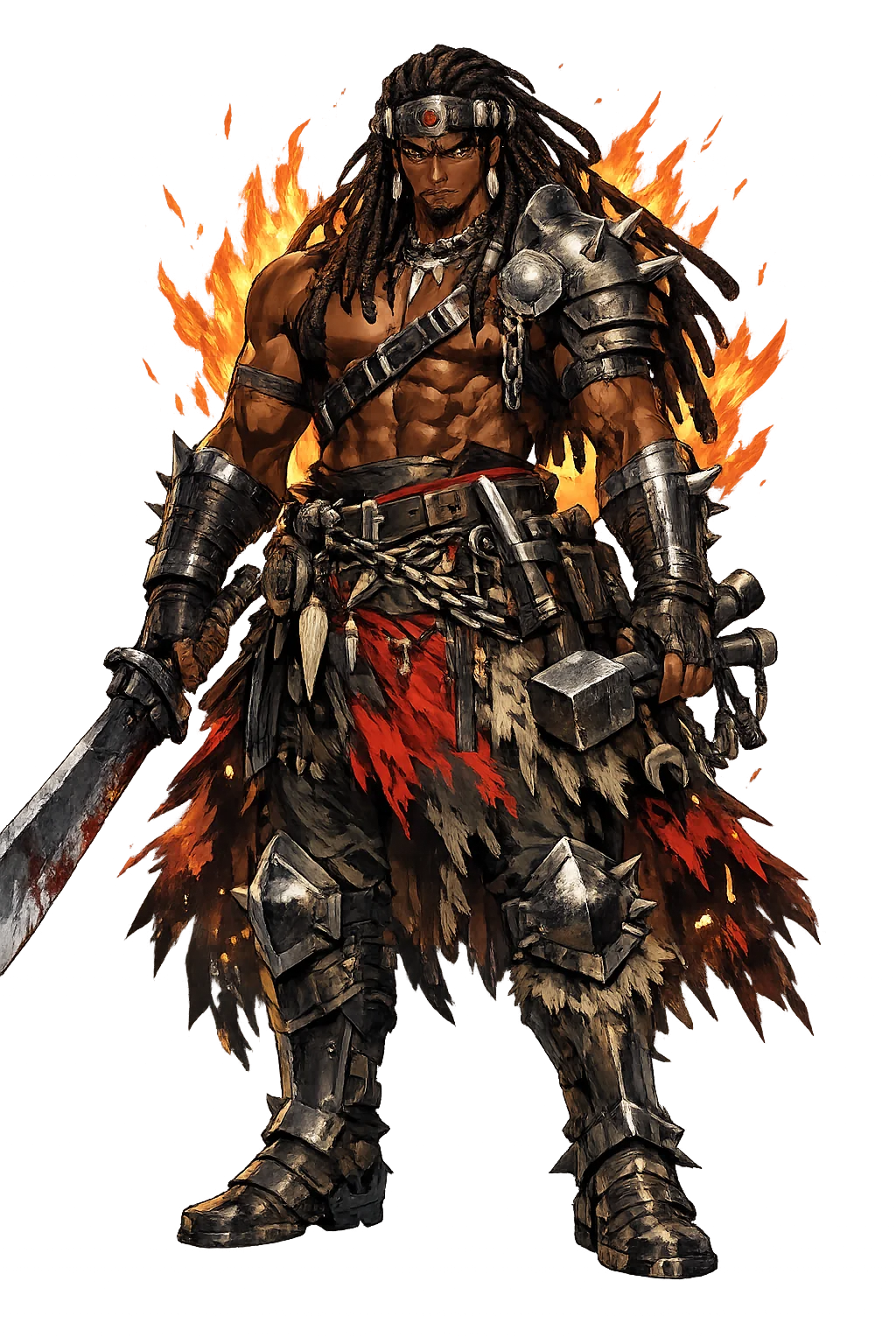
Sacred SymbolsThe cutlass, The anvil, The palm wine
02

Etymology & Word Family

From original script to Unicode restoration

Scholarly Transliteration Ògún Ògún — "God of iron"
Unicode Restoration Ògún Restored stress, length, and script
Modern ASCII ogun Plain-ASCII fallback

Ògún carries Yoruba's tonal low-high melody: ò with the grave (low tone), gún with the acute (high) — the tones are phonemic, and the restoration keeps both exactly as the language requires. The name is bound to the word for iron (irin) in his praise-names: "Ogun, master of iron, the one who clears the road."

03

Unicode Character Breakdown

Character-by-character philological analysis

CharacterUnicodeNameBlockPhonetic Role
ÒU+00D2Latin Capital Letter O with GraveLatin-1 SupplementLow tone (Yoruba)
gU+0067Latin Small Letter GBasic LatinSame
úU+00FALatin Small Letter U with AcuteLatin-1 SupplementHigh tone (Yoruba)
nU+006ELatin Small Letter NBasic LatinSame

The Tier 1 classification reflects which ancient features stress, length, or script are preserved in this restoration.

04

Cultural Significance

From ancient cult to modern Unicode

Ancient Domain

Ògún is the orisha of iron and of every road iron opens: the hunter who cleared the primordial forest so the gods could descend, the smith who arms the farmer and the warrior alike, and the patron of every worker who makes a living by metal — from the blacksmith to the surgeon to the driver.

Ògún in Later Traditions

The Middle Passage carried him across the Atlantic, where the iron god found new irons: in Cuban Santería he is Oggún, syncretized with Saint Peter (keeper of the keys — the metal of heaven's gate) or Saint George; in Brazilian Candomblé, Ògún is Saint George of the dragon-slaying spear; in Haitian Vodou he is Ogou Feray, the warrior-loa of the forge and the soldier's flag. The saints changed the face; the iron, the road, and the dog kept the god.

Modern Legacy

Nigeria's Nobel laureate Wole Soyinka is his most famous devotee: Ògún is the patron of Soyinka's art — the road-maker who is also the destroyer — and the essay "The Fourth Stage" and the novel The Road are his modern liturgy. Ògún state in Nigeria bears his name; his praise-names echo in the foundries and mechanics' yards of every Yoruba city, where a splash of palm wine on the anvil still opens the working day.

Unicode Restoration as Cultural Act

Restoring Ògún in a domain name is more than orthographic accuracy. It is a statement that the internet should recognize the full range of human writing — not only the ASCII keyboard.

05

Frequently Asked Questions

Common questions about Ògún, Iron, War, Labour, and Unicode restoration

01How do you pronounce Ògún?

In reconstructed pronunciation, Ògún is /ò.gṹ/ — approximately aw-GOON, low tone on the first syllable, high on the last..

02What does Ògún mean?

Ògún means God of iron in the yoruba tradition.

03What are the symbols of Ògún?

Ògún is associated with The cutlass (The path-making blade — technology as the opener of ways), The anvil (The forge's heart, where his power is hammered into tools), The palm wine (His drink — offered by hunters and smiths for coolness and courage).

04Why restore Ògún in Unicode?

Plain ASCII ogun strips the stress, length, and script that make the name specific. Unicode restoration returns the name to its original written dignity.

05What is the most important myth about Ògún?

When the orisha first sought to descend to the earth, the primordial forest stood unbroken and none could pass — not Orunmila with his wisdom, not any god with any tool. Ògún took his cutlass and cut the road through, and the gods followed him down; for this he is saluted first in every rite, the opener of the way. Creation, in Yoruba thought, required not a word but a blade.

06

Scholarly Sources

The philological foundations of this restoration

Every claim on this page is grounded in established scholarship. The orthographic restorations follow disciplinary convention. The etymological chain follows the best available reference works. This is not invention — it is resurrection through scholarship.

Lexicography & Philology

  • Abraham

Primary Texts

  • The Ifá divination corpus; ọ̀rọ̀ àṣà and oríkì traditions; Abraham’s Dictionary of Modern Yoruba.

Archaeology & Art History

  • Material evidence — iconography, inscriptions, and temple archaeology — for Ògún and related cults.
  • Yorubaland is one of Africa's oldest iron-working regions: the smelting furnaces of the Nsukka plateau (Lejja) date the craft back over two thousand years, and the guild-smithies of the forest belt kept the ritual side — the first iron of a furnace smelted with prayers to Ògún. His shrines are often the anvil itself; the great festivals of Ire and of Ọndó preserve the masquerades and the dog-sacrifice described in the earliest ethnographies, and the odù Ogunda verses are still divined daily by babaláwo across the Yoruba world.

Religious Studies

  • Idowu
  • Bascom
  • Abraham
  • Folklore
  • Cambridge
  • Oxford
Return

The Surface Awaits

You have traced the name from its earliest attestation to its Unicode restoration. Now return to the myth. The story is where the name lives.

Back to Lore
Ògún mascot