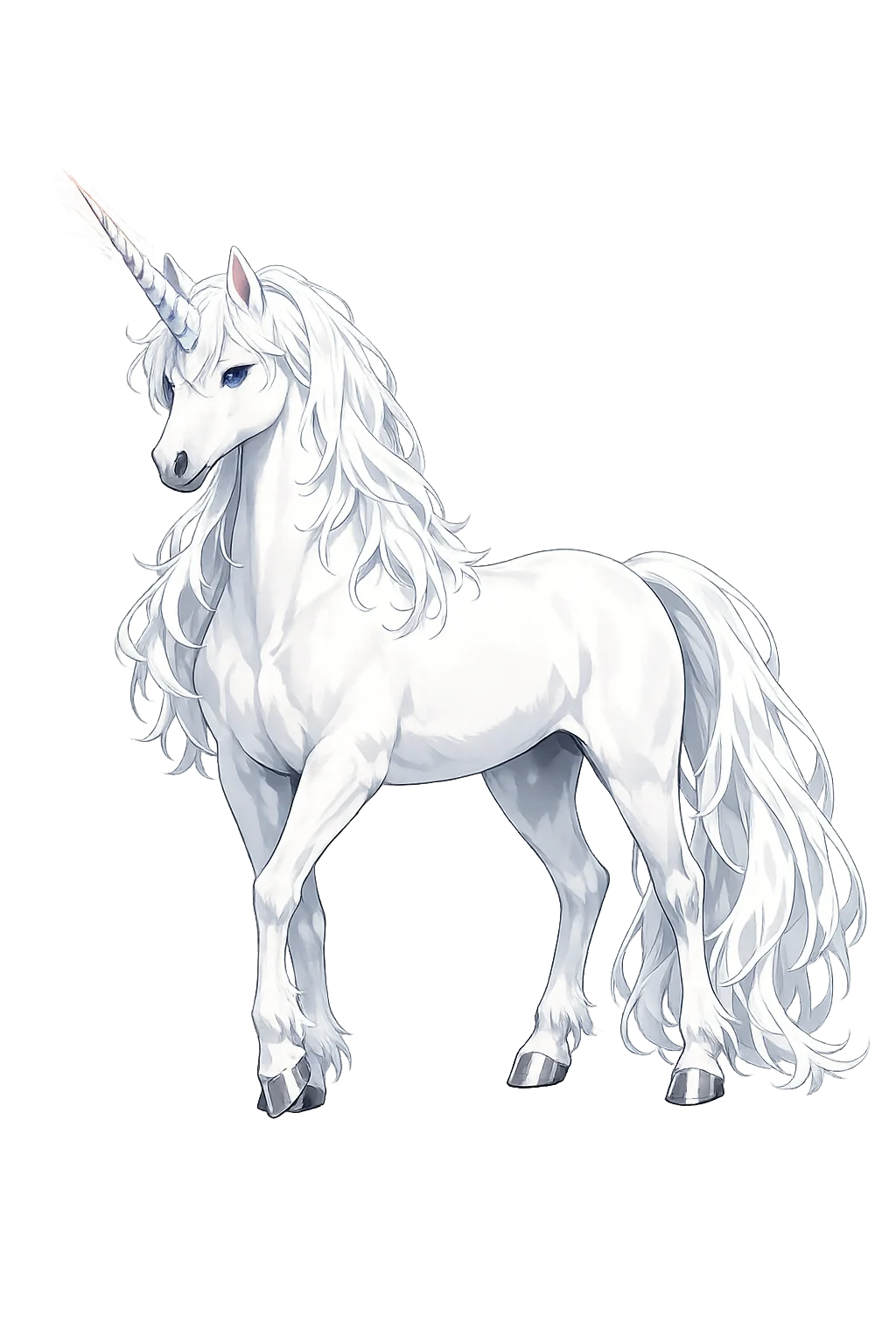
PuniCodex

Extended Lore

Μονόκερως Monókerōs

Etymology · Phonology · Orthography · Cultural Legacy · Primary Sources

Tier 1 Monókerōs.com
Monókerōs — Purity, Rarity, Wonder
01

Quick Facts

Essential information about Monókerōs, Purity, Rarity, Wonder

Original ScriptΜονόκερως
Unicode RestorationMonókerōs
Reconstructed Pronunciation/mo.nó.kɛː.rɔːs/
PantheonGreek
DomainPurity, Rarity, Wonder
Meaning'Single-horned' (from μόνος + κέρας)
ClassificationTier 1
Primary DomainMonókerōs.com
Sacred SymbolsThe single horn, The wild ass, The cup
02

Etymology & Word Family

From original script to Unicode restoration

Original Script Μονόκερως Monókerōs — "'Single-horned' (from μόνος + κέρας)"
Unicode Restoration Monókerōs Restored stress, length, and script
Modern ASCII monokeros Plain-ASCII fallback

Greek μονόκερως is a compound: mónos ("single") plus kéras ("horn"), stressed on the first element. Greek authors used it of real and reported animals alike — the rhinoceros included — centuries before Latin monoceros and the medieval unicorn softened it into legend.

03

Unicode Character Breakdown

Character-by-character philological analysis

CharacterUnicodeNameBlockPhonetic Role
MU+004DLatin Capital Letter MBasic LatinSame letter
oU+006FLatin Small Letter OBasic LatinSame letter
nU+006ELatin Small Letter NBasic LatinSame letter
óU+00F3Latin Small Letter O with AcuteLatin-1 SupplementStress mark (acute/tone)
kU+006BLatin Small Letter KBasic LatinSame letter
eU+0065Latin Small Letter EBasic LatinSame letter
rU+0072Latin Small Letter RBasic LatinSame letter
ōU+014DLatin Small Letter O with MacronLatin Extended-AMacron marks the long vowel
sU+0073Latin Small Letter SBasic LatinSame letter

The Tier 1 classification reflects which ancient features stress, length, or script are preserved in this restoration.

04

Cultural Significance

From ancient cult to modern Unicode

Ancient Domain

Monókerōs begins not in myth but in the first travel writing of the West: Ktēsias' account of the wild asses of India, each bearing a single horn a cubit and a half long. Between his report and the medieval virgin-and-unicorn lies the whole history of how observation becomes symbol.

Monókerōs in Later Traditions

The medieval West transformed the report into allegory: the Physiologos made the unicorn catchable only by a virgin, and Christological exegesis followed — the horn the single nature, the capture the Incarnation. Heraldry crowned the transformation: the unicorn, chained because a free one is dangerous, became the royal beast of Scotland and the supporter of the British royal arms, facing the lion.

Modern Legacy

Narwhal tusks, sold as alicorns, were literally worth their weight in gold; the Danish throne was "made of unicorns," and Elizabeth I paid £10,000 for one. Today the unicorn is the emblem of rarity itself — from heraldry to finance's "unicorn" startup — while scholars read Ktēsias' beast as a composite memory of the rhinoceros, the onager, and the profile-view oryx of Indus seals.

Unicode Restoration as Cultural Act

Restoring Monókerōs in a domain name is more than orthographic accuracy. It is a statement that the internet should recognize the full range of human writing — not only the ASCII keyboard.

05

Frequently Asked Questions

Common questions about Monókerōs, Purity, Rarity, Wonder, and Unicode restoration

01How do you pronounce Monókerōs?

In reconstructed pronunciation, Monókerōs is /mo.nó.kɛː.rɔːs/ — approximately mo-NO-keh-ross, stress on the antepenult with a long final ō..

02What does Monókerōs mean?

Monókerōs means 'Single-horned' (from μόνος + κέρας) in the greek tradition.

03What are the symbols of Monókerōs?

Monókerōs is associated with The single horn (Unity, sovereignty, and the single point of concentrated power), The wild ass (The original Greek animal — swift, fierce, and uncatchable), The cup (Alicorn drinking vessels of kings, supposedly proof against poison).

04What is the difference between Monókerōs.com?

Each is a historically defensible restoration. Monokērōs.com is the macron-only form: LSJ convention: length only, no stress mark.

05Why restore Monókerōs in Unicode?

Plain ASCII monokeros strips the stress, length, and script that make the name specific. Unicode restoration returns the name to its original written dignity.

06What is the most important myth about Monókerōs?

Ktēsias, physician to the Persian king Artaxerxēs, wrote in his Indika of Indian wild asses "swift as horses, with a single horn on the forehead, white at the base, black in the middle, crimson at the tip." Their horn shavings, he says, are an antidote to all poisons; their fleetness makes them unhuntable. His report is the unicorn's birth certificate.

06

Scholarly Sources

The philological foundations of this restoration

Every claim on this page is grounded in established scholarship. The orthographic restorations follow disciplinary convention. The etymological chain follows the best available reference works. This is not invention — it is resurrection through scholarship.

Lexicography & Philology

  • Liddell, H. G., Scott, R., & Jones, H. S. A Greek-English Lexicon. Oxford: Clarendon Press, 9th ed. 1996.
  • Ctesias
  • Pliny

Primary Texts

  • Homer. Iliad and Odyssey; Hesiod. Theogony and Works and Days.

Archaeology & Art History

  • Material evidence — iconography, inscriptions, and temple archaeology — for Monókerōs and related cults.
  • The unicorn's material trail begins with the Indus "unicorn" seal motif — thousands of steatite seals showing a one-horned bovid, almost certainly a bull in profile — and runs through Mesopotamian and Achaemenid art to the medieval narwhal-tusk trade. No ancient Greek depiction of Ktēsias' beast survives; the physical record is the trade itself: cups of "alicorn" in royal treasuries, like the one inventoried in the French crown jewels.

Religious Studies

  • Ctesias
  • Aristotle
  • Pliny
  • Cambridge
Return

The Surface Awaits

You have traced the name from its earliest attestation to its Unicode restoration. Now return to the myth. The story is where the name lives.

Back to Lore
Monókerōs mascot