PuniCodex

Extended Lore

ᛘᚢᚦᛁ Móði

Etymology · Phonology · Orthography · Cultural Legacy · Primary Sources

Tier 2 Móði.com
Móði — Wrath, Son of Thor
01

Quick Facts

Essential information about Móði, Wrath, Son of Thor

Original Scriptᛘᚢᚦᛁ
Unicode RestorationMóði
Reconstructed Pronunciation/ˈmoːði/
PantheonNorse
DomainWrath, Son of Thor
MeaningThe angry one
ClassificationTier 2
Primary DomainMóði.com
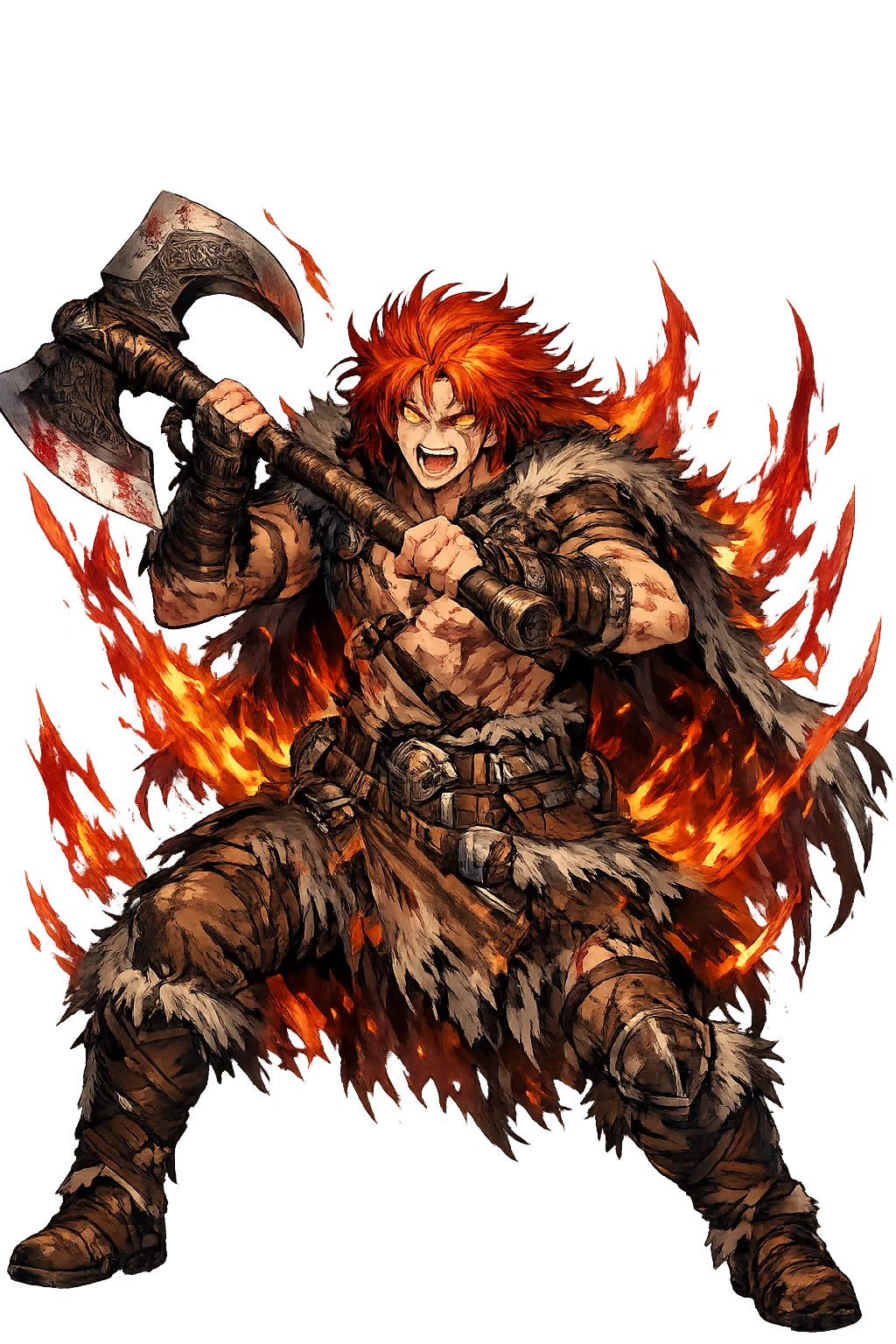
Sacred SymbolsMjölnir, Sword or axe, Flame or reddened face, Giant lineage
02

Etymology & Word Family

From original script to Unicode restoration

Original Script ᛘᚢᚦᛁ Móði — "The angry one"
Unicode Restoration Móði Restored stress, length, and script
Modern ASCII modi Plain-ASCII fallback

Móði is Tier 2: the acute on ó marks stress and length, while the eth (ð) preserves the Old Norse voiced dental fricative. The name is also the common noun for 'wrath' or 'courage', making the god an embodiment of the quality itself.

03

Unicode Character Breakdown

Character-by-character philological analysis

CharacterUnicodeNameBlockPhonetic Role
MU+004DLatin Capital Letter MBasic LatinSame, capitalized
óU+00F3Latin Small Letter O with AcuteLatin-1 SupplementStress on o
ðU+00F0Latin Small Letter EthLatin-1 SupplementEth: voiced dental fricative
iU+0069Latin Small Letter IBasic LatinSame

The Tier 2 classification reflects which ancient features stress, length, or script are preserved in this restoration.

04

Cultural Significance

From ancient cult to modern Unicode

Ancient Domain

Móði is the son of Þórr, the personification of wrath and courage. He appears in only a handful of passages, yet his role is consequential: he survives Ragnarök alongside his brother Magni and inherits their father's hammer Mjölnir. Where Magni is 'mighty,' Móði is 'fierce' — the emotional force that drives the thunder-god's line forward into the new world.

Móði in Later Traditions

Móði has no clear non-Norse counterpart. His function — the personification of wrath or courage — resembles other Indo-European personified forces, such as the Greek Thumos or the Roman Furor, but he is specifically embedded in the genealogy of Þórr. His survival after Ragnarök places him in the small company of gods who bridge the old world and the new. In modern retellings he is often overshadowed by his brother Magni and his father Þórr, but his name preserves an important Norse idea: that wrath, rightly directed, is a form of power.

Modern Legacy

Móði remains a minor figure in popular reception, usually appearing as Magni's brother or as one of the survivors of Ragnarök. In video games, comics, and modern Heathenry, he is sometimes developed as a god of berserk courage or youthful fury. His inheritance of Mjölnir alongside Magni is a favorite detail in retellings of the end of the world: the thunder does not cease; it is passed to the next generation. For psychologists and poets, his name is a reminder that wrath and courage are etymologically and mythologically intertwined in Norse thought.

Unicode Restoration as Cultural Act

Restoring Móði in a domain name is more than orthographic accuracy. It is a statement that the internet should recognize the full range of human writing — not only the ASCII keyboard.

05

Frequently Asked Questions

Common questions about Móði, Wrath, Son of Thor, and Unicode restoration

01How do you pronounce Móði?

In reconstructed pronunciation, Móði is /ˈmoːði/ — approximately 'MOH-thi' — hold the 'o' long like 'mow' without the glide, then say the voiced 'th' of 'father' and end with a short 'ee'..

02What does Móði mean?

Móði means The angry one in the norse tradition.

03What are the symbols of Móði?

Móði is associated with Mjölnir (The inherited hammer that links Móði to his father's protective role), Sword or axe (The weapons of a young warrior-god in a world rebuilt after Ragnarök), Flame or reddened face (The visible sign of móð, the wrath or courage that gives him his name), Giant lineage (His mother Járnsaxa marks him as part jotunn, bridging divine and giant blood).

04Why restore Móði in Unicode?

Plain ASCII modi strips the stress, length, and script that make the name specific. Unicode restoration returns the name to its original written dignity.

05What is the most important myth about Móði?

Völuspá prophesies that after Ragnarök, a few gods will survive to people the renewed world: Víðarr, Váli, Baldr, Höðr, and the sons of Þórr, Magni and Móði. They will inherit Mjölnir and the memory of their father's battles. Móði's survival means that Þórr's line does not end in the serpent's venom.

06

Scholarly Sources

The philological foundations of this restoration

Every claim on this page is grounded in established scholarship. The orthographic restorations follow disciplinary convention. The etymological chain follows the best available reference works. This is not invention — it is resurrection through scholarship.

Lexicography & Philology

  • Poetic Edda
  • Cleasby-Vigfusson

Primary Texts

  • Poetic Edda: Völuspá (Móði and Magni survive Ragnarök)
  • Snorri Sturluson, Prose Edda: Gylfaginning (genealogy and inheritance of Mjölnir)
  • Snorri Sturluson, Prose Edda: Skáldskaparmál (kennings for Þórr's sons)

Archaeology & Art History

  • Material evidence — iconography, inscriptions, and temple archaeology — for Móði and related cults.
  • No archaeological find names Móði directly. His existence depends on the medieval manuscript tradition, especially the Codex Regius of the Poetic Edda and Snorri's Prose Edda. The broader context — Þórr's cult, Mjöllnir amulets, and the warrior ethos of Viking-Age Scandinavia — provides the material world in which a son of the thunder-god would be imagined as inheriting his father's protective role.

Religious Studies

  • Cleasby & Vigfusson, An Icelandic-English Dictionary (1874), s.v. móði
  • Zoëga, A Concise Dictionary of Old Icelandic (1910), s.v. móði
  • Simek, Rudolf, Dictionary of Northern Mythology
  • Lindow, John, Norse Mythology: A Guide to the Gods, Heroes, Rituals, and Beliefs
Return

The Surface Awaits

You have traced the name from its earliest attestation to its Unicode restoration. Now return to the myth. The story is where the name lives.

Back to Lore
Móði mascot