PuniCodex

Extended Lore

𓌴𓏤 Mꜣ

Etymology · Phonology · Orthography · Cultural Legacy · Primary Sources

Tier 2 Mꜣ.com
Mꜣ — Truth, Rightness, Correctness, Measure
01

Quick Facts

Essential information about Mꜣ, Truth, Rightness, Correctness, Measure

Original Script𓌴𓏤
Unicode RestorationMꜣ
Reconstructed Pronunciation/maːʕ/
PantheonEgyptian
DomainTruth, Rightness, Correctness, Measure
MeaningTruth, rightness, correctness, measure. Root of Maat (mꜣꜥt), the cosmic principle of truth and order
ClassificationTier 2
Primary DomainMꜣ.com
Sacred SymbolsOstrich feather, Set-square or plummet line, Scales of judgment, Kneeling goddess with feather
02

Etymology & Word Family

From original script to Unicode restoration

Original Script 𓌴𓏤 Mꜣ — "Truth, rightness, correctness, measure. Root of Maat (mꜣꜥt), the cosmic principle of truth and order"
Unicode Restoration Mꜣ Restored stress, length, and script
Modern ASCII ma Plain-ASCII fallback

Mꜣ is the monosyllabic root from which the goddess Mꜣꜥt ('Maat') is derived. The Unicode form preserves the Egyptological alef (ꜣ) as the registrable stand-in for the final consonant. It is Tier 2: a single consonantal-plus-vowel restoration without stress or length marking on the final root consonant.

03

Unicode Character Breakdown

Character-by-character philological analysis

CharacterUnicodeNameBlockPhonetic Role
MU+004DLatin Capital Letter MBasic LatinSame, capitalized
U+A723Latin Small Letter Egyptological AlefLatin Extended-DSpecial phonetic character

The Tier 2 classification reflects which ancient features stress, length, or script are preserved in this restoration.

04

Cultural Significance

From ancient cult to modern Unicode

Ancient Domain

Mꜣ is the Egyptian root for what is straight, true, right, and in measure. It is not merely an abstract virtue; it is the line against which the cosmos, society, and the individual life are tested. From this root comes Mꜣꜥt, the goddess of truth, whose feather is weighed against the heart of the dead. To say mꜣ is to invoke the standard by which all things are judged.

Mꜣ in Later Traditions

Mꜣ is almost always expanded into the goddess Mꜣꜥt in cult and art, yet the root itself underlies Egyptian ethics, law, and cosmology. Greeks and Romans identified Mꜣꜥt with Dike or Justitia, and the image of the heart weighed against a feather influenced later Mediterranean and Christian ideas of post-mortem judgment. In modern discussions of ancient Egyptian philosophy, mꜣꜥt is often cited as one of the earliest systematic concepts of cosmic justice.

Modern Legacy

The root mꜣ survives in every museum exhibit of the Book of the Dead and in every account of Egyptian ethics. Its personification, Maat, has become an international symbol of justice, balance, and ecological harmony. Contemporary movements that speak of 'living in maat' draw on this ancient idea that truth is not merely verbal honesty but the active maintenance of order against entropy and deceit.

Unicode Restoration as Cultural Act

Restoring Mꜣ in a domain name is more than orthographic accuracy. It is a statement that the internet should recognize the full range of human writing — not only the ASCII keyboard.

05

Frequently Asked Questions

Common questions about Mꜣ, Truth, Rightness, Correctness, Measure, and Unicode restoration

01How do you pronounce Mꜣ?

In reconstructed pronunciation, Mꜣ is /maːʕ/ — approximately MAH-ʿA — a prolonged 'ma' followed by a slight catch in the throat where the alef sits..

02What does Mꜣ mean?

Mꜣ means Truth, rightness, correctness, measure. Root of Maat (mꜣꜥt), the cosmic principle of truth and order in the egyptian tradition.

03What are the symbols of Mꜣ?

Mꜣ is associated with Ostrich feather (The emblem of Mꜣꜥt and the lightness of a heart free from deceit), Set-square or plummet line (The architectural tool that makes a wall true, extended metaphorically to moral straightness), Scales of judgment (The weighing of the heart against the feather in the Book of the Dead), Kneeling goddess with feather (Mꜣꜥt personified, present at the enthronement of kings and the judgment of the dead).

04Why restore Mꜣ in Unicode?

Plain ASCII ma strips the stress, length, and script that make the name specific. Unicode restoration returns the name to its original written dignity.

05What is the most important myth about Mꜣ?

In Spell 125 of the Book of the Dead, the deceased enters the Hall of the Two Truths and declares before Osiris and the forty-two assessors that he has not committed theft, murder, falsehood, or any of the sins that disturb mꜣꜥt. His heart is placed on the scales opposite the feather of Mꜣꜥt. If the heart is light, he passes into the blessed west; if heavy, the monster Ammit devours it and the soul is annihilated.

06

Scholarly Sources

The philological foundations of this restoration

Every claim on this page is grounded in established scholarship. The orthographic restorations follow disciplinary convention. The etymological chain follows the best available reference works. This is not invention — it is resurrection through scholarship.

Lexicography & Philology

  • Faulkner, R. O. A Concise Dictionary of Middle Egyptian. Oxford: Griffith Institute, 1962.
  • Wb

Primary Texts

  • Book of the Dead, Spell 125 (Negative Confessions and the weighing of the heart)

Archaeology & Art History

  • Material evidence — iconography, inscriptions, and temple archaeology — for Mꜣ and related cults.
  • The concept of mꜣꜥt is ubiquitous in Pharaonic material culture: ostrich-feather amulets, tomb paintings of the psychostasia (weighing of the heart), royal offering scenes in temples from Karnak to Edfu, and papyri of the Book of the Dead. The Papyrus of Ani and the Book of the Dead of Hunefer are among the most famous visual witnesses. Temples of Maat existed within larger complexes, and judges and officials often bore titles invoking mꜣꜥt.

Religious Studies

  • Faulkner, A Concise Dictionary of Middle Egyptian
  • Wb, mꜣꜥt (Erman & Grapow)
  • Allen, Middle Egyptian: An Introduction to the Language and Culture of Hieroglyphs
  • Assmann, Ma'at: Gerechtigkeit und Unsterblichkeit im Alten Ägypten
  • Hornung, Conceptions of God in Ancient Egypt
  • Teeter, Religion and Ritual in Ancient Egypt
  • Karenga, Maat: The Moral Ideal in Ancient Egypt
Return

The Surface Awaits

You have traced the name from its earliest attestation to its Unicode restoration. Now return to the myth. The story is where the name lives.

Back to Lore
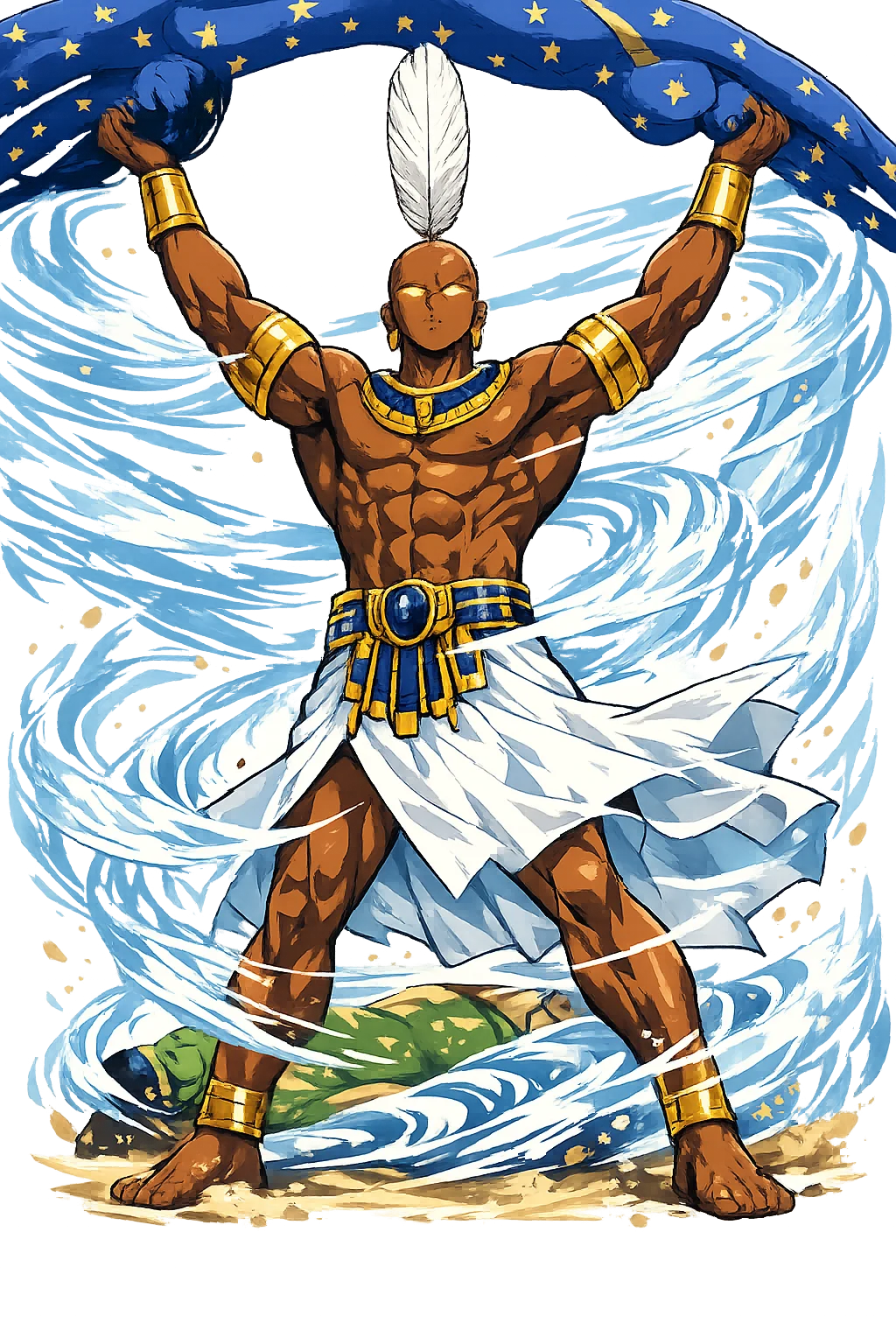
Mꜣ mascot