PuniCodex

Extended Lore

𓎛𓊪 Ḥp

Etymology · Phonology · Orthography · Cultural Legacy · Primary Sources

Tier 1 Ḥp.com
Ḥp — Nile, Inundation, Abundance
01

Quick Facts

Essential information about Ḥp, Nile, Inundation, Abundance

Original Script𓎛𓊪
Unicode RestorationḤp
Reconstructed Pronunciation/ˈħaː.pi/
PantheonEgyptian
DomainNile, Inundation, Abundance
MeaningThe Nile flood god Hapi; from ḥꜥpj
ClassificationTier 1
Primary DomainḤp.com
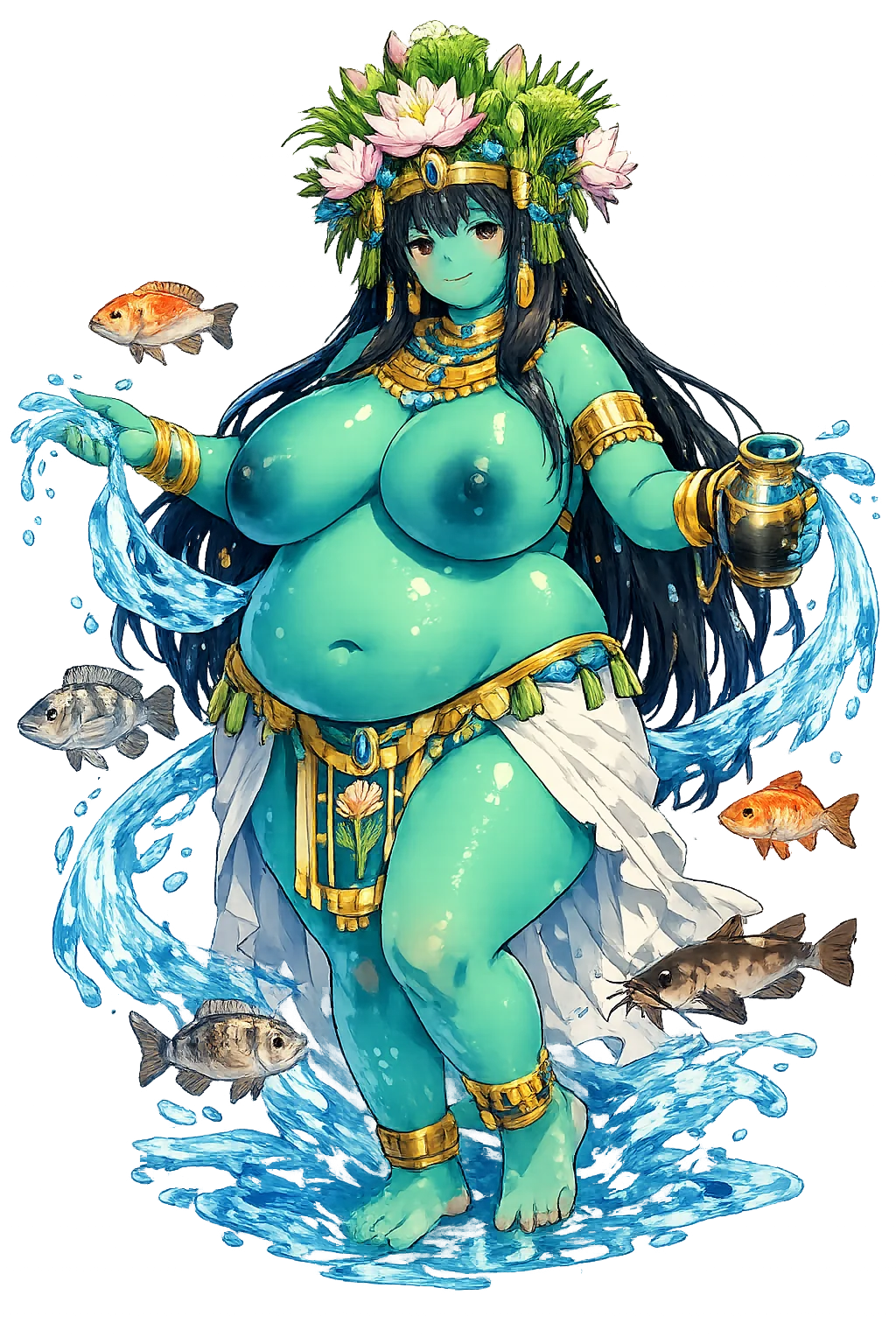
Sacred SymbolsThe blue-green skin, The heavy breasts and belly, The papyrus and lotus
02

Etymology & Word Family

From original script to Unicode restoration

Original Script 𓎛𓊪 Ḥp — "The Nile flood god Hapi; from ḥꜥpj"
Unicode Restoration Ḥp Restored stress, length, and script
Modern ASCII hp Plain-ASCII fallback

ḥp is conventionally vocalized "Hapi"; the ḥ (Gardiner Aa1) is the pharyngeal fricative heard at the start of the name. He must not be confused with Ḥpy the baboon-headed son of Horus — same sound, different god: the restoration keeps the underdot that marks the river-lord's true name.

03

Unicode Character Breakdown

Character-by-character philological analysis

CharacterUnicodeNameBlockPhonetic Role
U+1E24Latin Capital Letter H with Dot BelowUnknownScript-specific diacritic
pU+0070Latin Small Letter PBasic LatinSame letter

The Tier 1 classification reflects which ancient features stress, length, or script are preserved in this restoration.

04

Cultural Significance

From ancient cult to modern Unicode

Ancient Domain

ḥp is the Nile flood personified: the annual miracle on which all of Egypt hung, arriving as a blue-green, androgynous, heavy-bellied bringer of plenty. No temple was built to him — he needed none; the river was his temple, and its rising his epiphany.

Ḥp in Later Traditions

The Greeks called him Neilos and gave the river-god a Greek biography — making him, in some accounts, father of Memphis and ancestor of the Danaid line that returned to Argos. The word "Nile" itself descends through this identification. In Nubia he merged with local flood-lords; in the Fayum, his abundance fed the crocodile cult of Sobek, whose lake was the flood's great reservoir. Every downstream culture read the same rising water and named its own god.

Modern Legacy

He is the reason Egyptology has a tax-system to study: nilometer readings governed assessments, and the "perfect flood" — about 16 cubits at Memphis — was the single most important number in the ancient economy. The Aswan High Dam ended his annual epiphany in 1970: the fields no longer drown, and Egypt marks the loss in every history of the river. "Hapi" survives in countless modern Egyptian names and in the eco-memory of a regulated Nile.

Unicode Restoration as Cultural Act

Restoring Ḥp in a domain name is more than orthographic accuracy. It is a statement that the internet should recognize the full range of human writing — not only the ASCII keyboard.

05

Frequently Asked Questions

Common questions about Ḥp, Nile, Inundation, Abundance, and Unicode restoration

01How do you pronounce Ḥp?

In reconstructed pronunciation, Ḥp is /ˈħaː.pi/ — approximately HAH-pee; the ḥ is a strong breath, not a plain h..

02What does Ḥp mean?

Ḥp means The Nile flood god Hapi; from ḥꜥpj in the egyptian tradition.

03What are the symbols of Ḥp?

Ḥp is associated with The blue-green skin (The water itself, and the vegetation it summons), The heavy breasts and belly (Androgynous abundance — the flood as both father and mother), The papyrus and lotus (Lower and Upper Egypt, both his crowns).

04Why restore Ḥp in Unicode?

Plain ASCII hp strips the stress, length, and script that make the name specific. Unicode restoration returns the name to its original written dignity.

05What is the most important myth about Ḥp?

The great Hymn to Hapi — a school text for a millennium, surviving in New Kingdom copies — calls him "lord of fish and fowl, maker of barley, creator of wheat," and says what every Egyptian knew: when he is high, the land rejoices; when he fails, "the whole land is in panic." No god in the hymn's Egypt is more feared for absence or praised for arrival.

06

Scholarly Sources

The philological foundations of this restoration

Every claim on this page is grounded in established scholarship. The orthographic restorations follow disciplinary convention. The etymological chain follows the best available reference works. This is not invention — it is resurrection through scholarship.

Lexicography & Philology

  • Faulkner, R. O. A Concise Dictionary of Middle Egyptian. Oxford: Griffith Institute, 1962.
  • Gardiner
  • Bonneau

Primary Texts

  • The Pyramid Texts; The Coffin Texts; The Book of the Dead.

Archaeology & Art History

  • Material evidence — iconography, inscriptions, and temple archaeology — for Ḥp and related cults.
  • Nilometers survive at Elephantine (a stairwell of cubit scales rebuilt under the Romans), at Roda island in Cairo (the famous octagonal shaft, Abbasid-era over Fatimid work), and at Philae. His iconography is among the most common in Egyptian art: the procession of fat-bellied offering-bringers lines the base of temple walls from Karnak to Dendera, and the double-ḥp sema-tawy decorates royal thrones from the Old Kingdom onward. The Hymn to Hapi's best copies come from school texts — pupils learned the river's praise by heart.

Religious Studies

  • Bonneau
  • Gardiner
  • Allen, Middle Egyptian
  • Te Velde
  • Egyptology
Return

The Surface Awaits

You have traced the name from its earliest attestation to its Unicode restoration. Now return to the myth. The story is where the name lives.

Back to Lore
Ḥp mascot