PuniCodex

Extended Lore

Honshū

Etymology · Phonology · Orthography · Cultural Legacy · Primary Sources

Tier 1 Honshū.com
Honshū — Center, Mainland, Heart
01

Quick Facts

Essential information about Honshū, Center, Mainland, Heart

Scholarly TransliterationHonshū
Unicode RestorationHonshū
Reconstructed Pronunciation/hon.ɕuː/
PantheonJapanese
DomainCenter, Mainland, Heart
Meaning'Main island' (本州)
ClassificationTier 1
Primary DomainHonshū.com
Sacred SymbolsThe three regalia, The rice paddy, The cedar avenue
02

Etymology & Word Family

From original script to Unicode restoration

Scholarly Transliteration Honshū Honshū — "'Main island' (本州)"
Unicode Restoration Honshū Restored stress, length, and script
Modern ASCII honshu Plain-ASCII fallback

Honshū 本州 — "Main Province" — closes with the long ū of shū, preserved in the macron. The name is descriptive geography elevated to a proper name: the largest of Japan's islands, holding Tokyo, Kyōto, Ōsaka, and some three-quarters of the nation. Both syllables carry long vowels in kana (ほんしゅう); the macron on the final ū marks the doubled u.

03

Unicode Character Breakdown

Character-by-character philological analysis

CharacterUnicodeNameBlockPhonetic Role
HU+0048Latin Capital Letter HBasic LatinSame letter
oU+006FLatin Small Letter OBasic LatinSame letter
nU+006ELatin Small Letter NBasic LatinSame letter
sU+0073Latin Small Letter SBasic LatinSame letter
hU+0068Latin Small Letter HBasic LatinSame letter
ūU+016BLatin Small Letter U with MacronLatin Extended-AMacron marks the long vowel

The Tier 1 classification reflects which ancient features stress, length, or script are preserved in this restoration.

04

Cultural Significance

From ancient cult to modern Unicode

Ancient Domain

Honshū is the island that became a civilization: largest of the Japanese archipelago, home of every historic capital from Nara to Kyōto to Edo-Tōkyō, and the ground on which the Jōmon, the Yayoi, and the Yamato state built the longest continuous imperial tradition on earth.

Honshū in Later Traditions

The island is the great syncretist of Asia: Buddhism arriving from Korea in the 6th century was fused with kami-worship into shinbutsu-shūgō — the dual-identity system that ran Japanese religion for a millennium; Zen and the tea culture of Kyōto fused with warrior aesthetics; and the Meiji restoration engineered State Shinto on top of it all. Honshū's mountains hold the shugendō tradition — Yamabushi ascetics practicing the oldest fusion of all: kami, buddha, and mountain as one path.

Modern Legacy

Honshū carries roughly 104 million people — the largest island population on earth — and its corridor from Tōkyō to Ōsaka is the most studied urban megalopolis in geography. Its cultural exports need no list: the world's first novel (The Tale of Genji) was written here, Zen gardens and ukiyo-e and kabuki were born here, and the shinkansen that shrank the island in 1964 taught the world high-speed rail.

Unicode Restoration as Cultural Act

Restoring Honshū in a domain name is more than orthographic accuracy. It is a statement that the internet should recognize the full range of human writing — not only the ASCII keyboard.

05

Frequently Asked Questions

Common questions about Honshū, Center, Mainland, Heart, and Unicode restoration

01How do you pronounce Honshū?

In reconstructed pronunciation, Honshū is /hon.ɕuː/ — approximately HON-shoo, with a long final ū..

02What does Honshū mean?

Honshū means 'Main island' (本州) in the japanese tradition.

03What are the symbols of Honshū?

Honshū is associated with The three regalia (Mirror, sword, and jewel — enshrined on Honshū at Ise, Atsuta, and the palace), The rice paddy (The Yayoi inheritance: wet-rice civilization as the island's second foundation), The cedar avenue (The planted forests of the pilgrim roads and shrine precincts).

04Why restore Honshū in Unicode?

Plain ASCII honshu strips the stress, length, and script that make the name specific. Unicode restoration returns the name to its original written dignity.

05What is the most important myth about Honshū?

The Kojiki opens on the heavenly bridge: Izanagi and Izanami stir the ocean with the jewelled spear, and from the brine dripping from its point the first island coagulates. Descending, they wed and give birth to the islands of Japan — the "great eight islands" culminating in Ōyashima — and then to the kami of wind, sea, mountain, and tree. The archipelago is not created but born: the land is kin.

06

Scholarly Sources

The philological foundations of this restoration

Every claim on this page is grounded in established scholarship. The orthographic restorations follow disciplinary convention. The etymological chain follows the best available reference works. This is not invention — it is resurrection through scholarship.

Lexicography & Philology

  • Nihon Shoki
  • Kokugo dictionaries

Primary Texts

  • Kojiki
  • Nihon Shoki

Archaeology & Art History

  • Material evidence — iconography, inscriptions, and temple archaeology — for Honshū and related cults.
  • Sannai-Maruyama near Aomori preserves a Jōmon city of 5,500 years ago — great cedar pillars, longhouses, and chestnut stores that rewrote the era's reputation from "primitive" to prosperous. The Yayoi's moated villages and the keyhole-shaped kofun tombs (Daisenryō in Ōsaka is among the largest tombs on earth by area) trace the state's rise. Nara's Tōdai-ji holds the world's largest bronze Buddha in the world's largest wooden building; Ise's shikinen sengū — the twenty-year rebuilding — is living archaeology, a Bronze Age rite performed on schedule into the present.

Religious Studies

  • Shinto
  • Kokugo dictionaries
  • Japanese folklore
  • Cambridge
Return

The Surface Awaits

You have traced the name from its earliest attestation to its Unicode restoration. Now return to the myth. The story is where the name lives.

Back to Lore
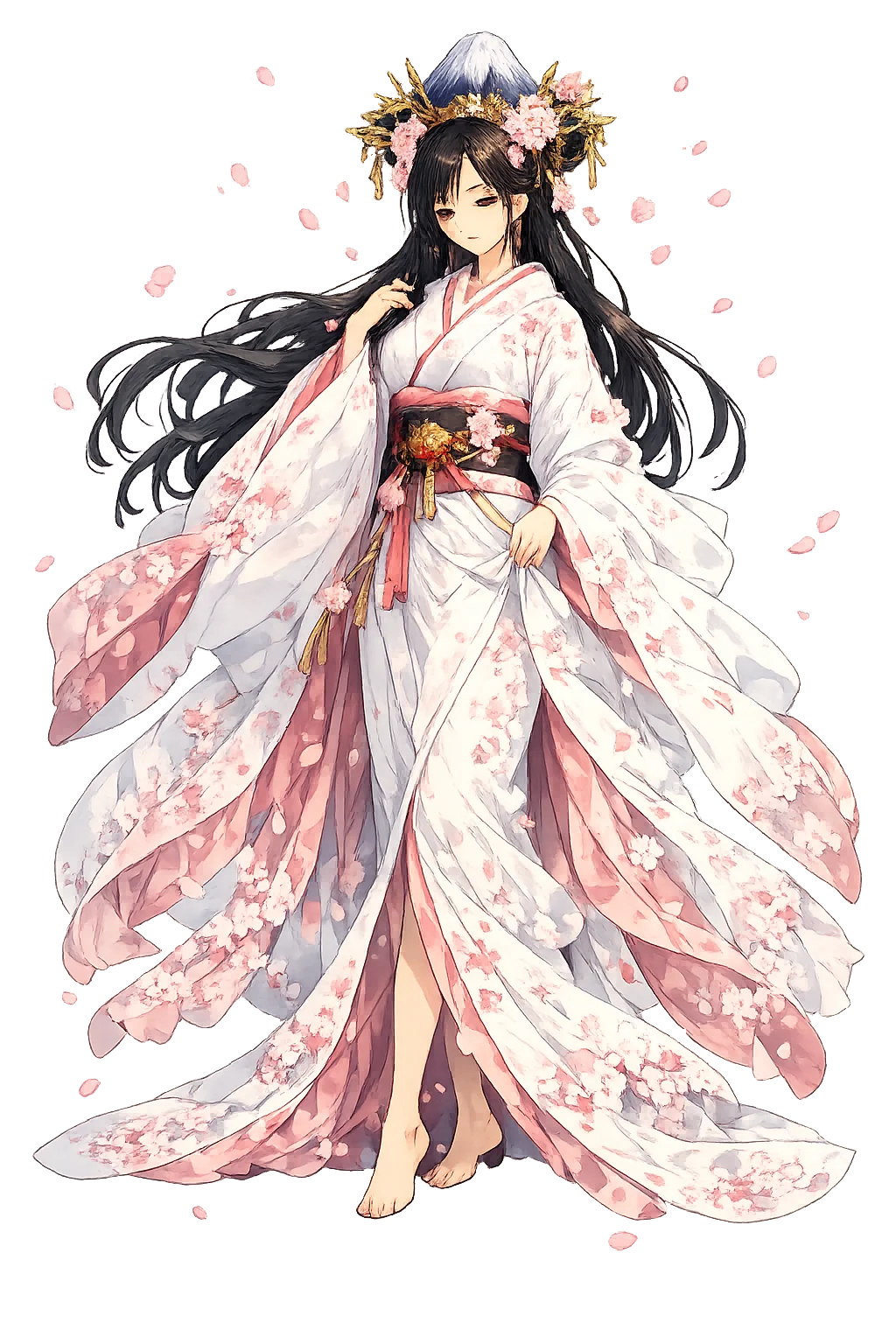
Honshū mascot