The Authentic Orthography
War, Courage, Battle Fury · Bane, ruin (possibly from ἀρά)
Unicode restoration and ASCII comparison
Ἄρης
The name in its original Greek form. Árēs (Ἄρης) is attested in the source tradition — “Bane, ruin (possibly from ἀρά)”. Its long vowels and acute accents carry the full phonetic and orthographic weight of the source tradition.
ares
Reduced to plain ares, the name loses everything that made it specific: long vowels and acute accents. What remains is an ASCII string that machines can parse but that no longer speaks with its original voice.
Árēs
The Unicode restoration recovers what ASCII flattened. Árēs restores long vowels and acute accents, returning the name to its original written dignity. The domain encodes to Punycode, but the browser displays the truth.
Árēs.com → xn--rs-lia5r.com
The non-ASCII characters in Árēs are encoded while the ASCII remains visible. To the DNS, it is Punycode. To humanity, it is Árēs.
How Árēs travels from ancient script to the modern URL
Greek Ἄρης; possibly connected with ἀρά “bane, curse" or with an earlier pre-Greek stratum; the god of war.
War, Courage, Battle Fury
The Unicode restoration Árēs preserves Greek stress and length; the ASCII form ares loses these features.
How Árēs was spoken
War, Battle Fury, and Courage
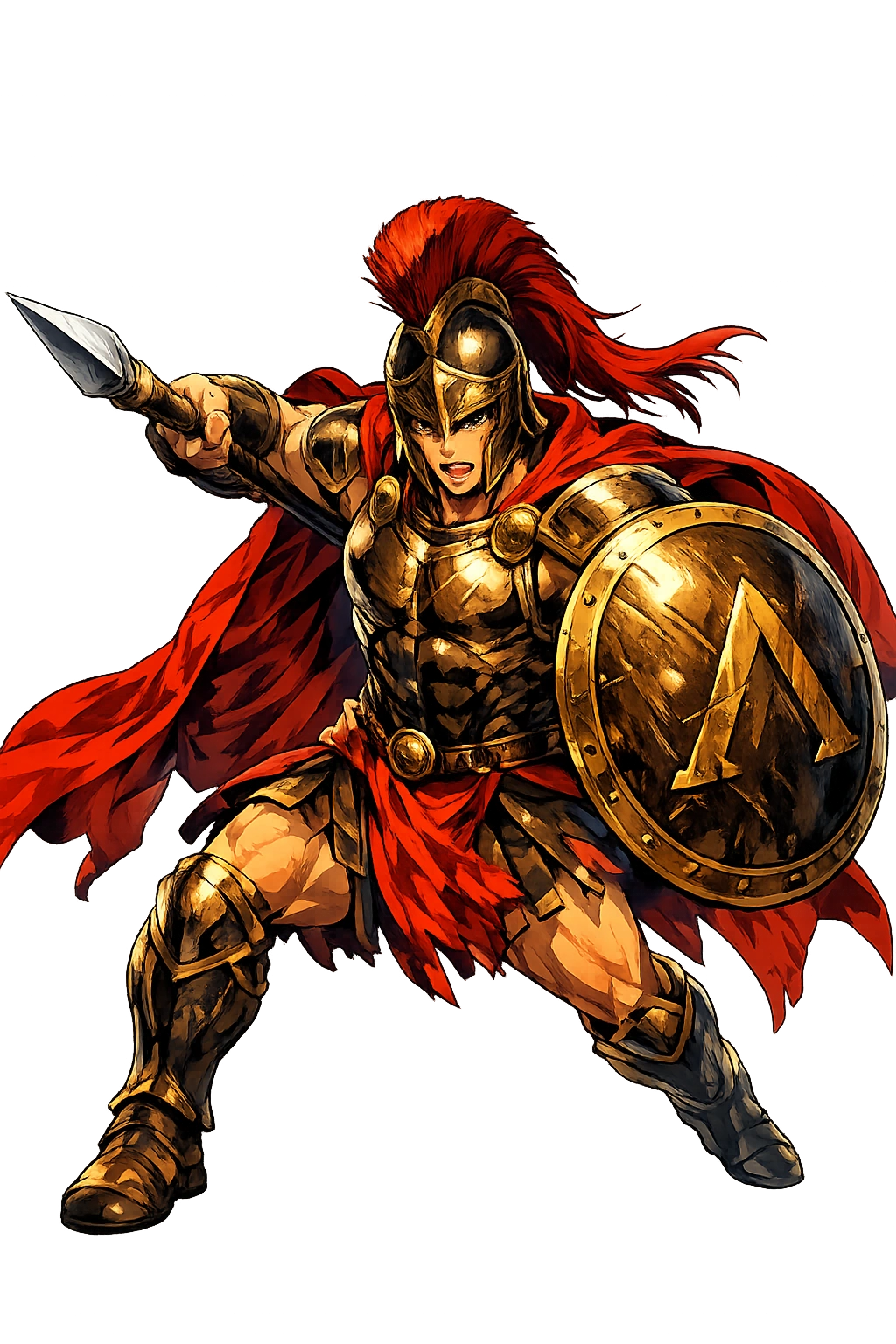
Árēs is the god of war in its rawest form: battle fury, bloodlust, and the chaos of combat. The Greeks honored him but did not love him; he is necessary, brutal, and often defeated. Athena strategy, Hêphaistos craft, and Apóllōn archery all outshine his sheer violence.
The bloodlust that makes warriors forget fear and reason alike.
He fills both sides with courage; to fight is to breathe his presence.
Unlike Athena, Árēs is often wounded and driven from the field — war is not always victorious.
His affair with Aphrodítē makes war the counterpart of desire; their union produces Harmonia.
Stories of Árēs
Árēs is the only major Olympian whom other gods routinely humiliate. His myths emphasize that war without wisdom is self-defeating.
In Iliad 5, the Greek hero Diomedes, aided by Athena, wounds Árēs with Athena's spear. The god roars like ten thousand warriors and flees to Olympus to complain. Zeús dismisses him as the most hated of the gods. The scene is comic but serious: raw courage cannot stand against disciplined strategy.
Hêphaistos, discovering his wife Aphrodítē's affair with Árēs, forged an unbreakable net and trapped the lovers in bed. The other gods gathered to laugh. The myth turns the terrifying war god into a ridiculous adulterer — a reminder that passion and violence, when exposed, lose their dignity.
Árēs avenged his son's death by sending a dragon against Kadmos, founder of Thebes. Kadmos slew the dragon and, on Athena's advice, sowed its teeth, from which sprang the Spartoi, the armed ancestors of the Theban nobility. Even in vengeance, Árēs generates the warriors he loves.
By Aphrodítē, Árēs fathered Harmonia, whose name means 'agreement' — the peace that follows war. Their union produced also Phobos and Deimos, Fear and Terror, who attend their father into battle. Love and war are not opposites in myth; they are siblings.
Árēs is the god of violence without justification. He does not defend cities like Athena; he simply fights. The Greeks were ambivalent about him because they understood that war is sometimes necessary but never noble in itself. A soldier needs courage; a general needs wisdom. Árēs supplies only the first.
Enter Extended Lore