PuniCodex

Extended Lore

𓂝𓊪𓊪𓆓 Ꜥpp

Etymology · Phonology · Orthography · Cultural Legacy · Primary Sources

Tier 2 Ꜥpp.com
Ꜥpp — Chaos, Darkness, Serpent
01

Quick Facts

Essential information about Ꜥpp, Chaos, Darkness, Serpent

Original Script𓂝𓊪𓊪𓆓
Unicode RestorationꜤpp
Reconstructed Pronunciation/ʔaˈpeːp/
PantheonEgyptian
DomainChaos, Darkness, Serpent
MeaningHe who was spat out
ClassificationTier 2
Primary DomainꜤpp.com
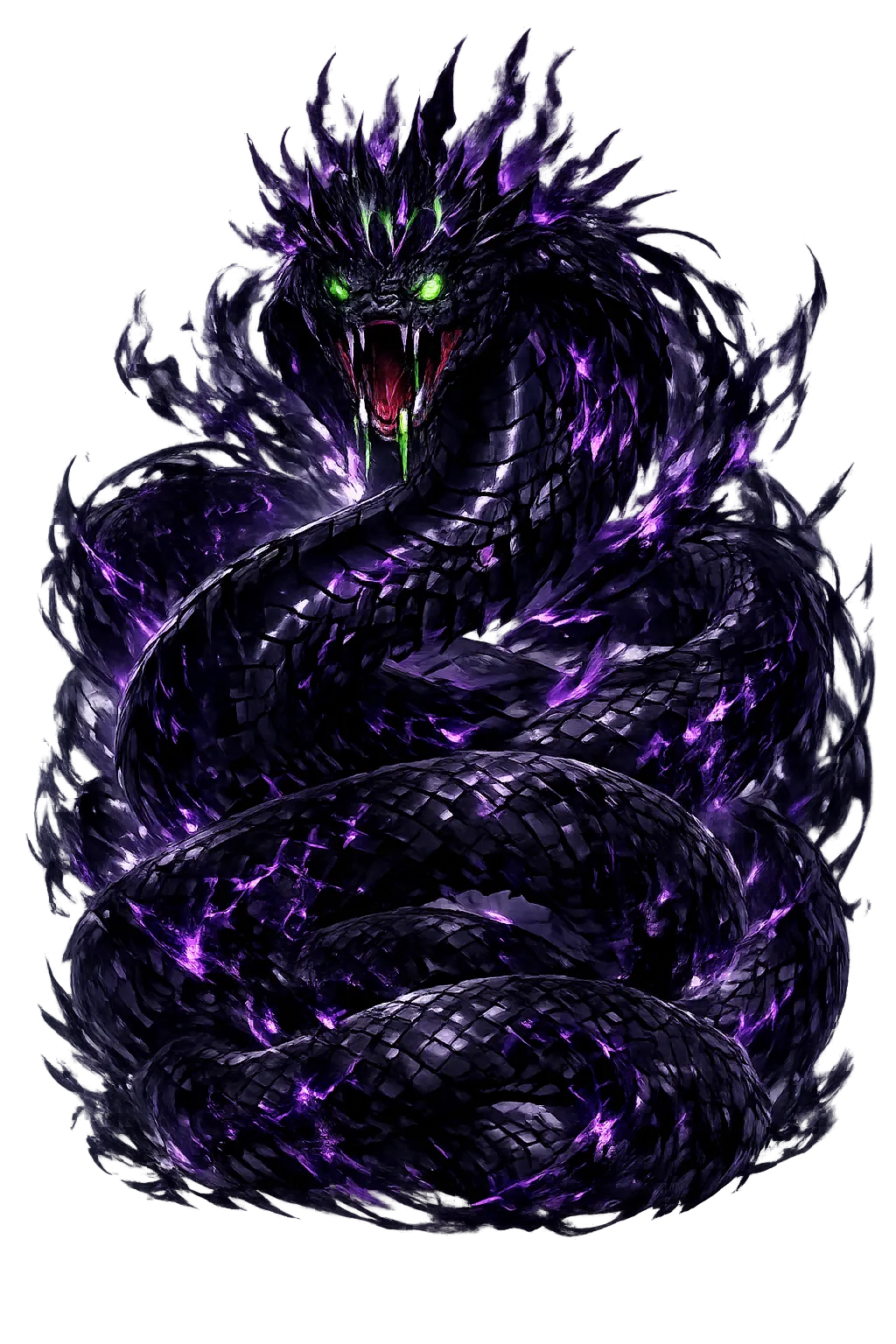
Sacred SymbolsGiant coiled serpent, Solar barque under attack, Knife and flames, Dark water or eclipse
02

Etymology & Word Family

From original script to Unicode restoration

Original Script 𓂝𓊪𓊪𓆓 Ꜥpp — "He who was spat out"
Unicode Restoration Ꜥpp Restored stress, length, and script
Modern ASCII apep Plain-ASCII fallback

Ꜥpp is a Tier-2 consonantal restoration. The doubled p is written but the vowels are supplied by convention; the Greek form Apophis preserves the final -is suffix but the Egyptian root is simply Ꜥpp. The initial Ꜥ marks a pharyngeal or glottal onset now lost.

03

Unicode Character Breakdown

Character-by-character philological analysis

CharacterUnicodeNameBlockPhonetic Role
U+A724Latin Capital Letter Egyptological AinLatin Extended-DAlef
pU+0070Latin Small Letter PBasic LatinSame
N/ADropped characterEgyptian orthographyVowel not written
pU+0070Latin Small Letter PBasic LatinSame

The Tier 2 classification reflects which ancient features stress, length, or script are preserved in this restoration.

04

Cultural Significance

From ancient cult to modern Unicode

Ancient Domain

Ꜥpp is not a god to be worshipped; he is the force that must be destroyed so that the sun can rise. A giant serpent of primordial chaos, he lies in the depths of the Duat and each night attempts to swallow the solar barque. His defeat is not a one-time event but a daily ritual, renewed in temple liturgy and in the Books of the Underworld. Without Ꜥpp there is no drama of cosmic order; without his defeat there is no dawn.

Ꜥpp in Later Traditions

Apophis has no positive syncretisms; he is the anti-god against whom all order defines itself. Later Gnostic and Christian traditions sometimes compared him to Satan or the Leviathan, though the Egyptian figure is more cosmic and less personal than the Christian devil. In modern pop culture, Apophis appears as a serpentine world-destroyer, but his ancient significance is more precise: he is the entropy that must be ritually opposed for life to continue.

Modern Legacy

The name Apophis survives in Egyptology as the archetype of the chaos serpent, and the asteroid 99942 Apophis was named after him because of its potential threat to Earth. In fantasy literature, role-playing games, and comics, he appears as a dragon-like antagonist. For scholars, he remains a powerful symbol of the Egyptian worldview that order is not a given but a daily achievement requiring vigilance, ritual, and collective effort.

Unicode Restoration as Cultural Act

Restoring Ꜥpp in a domain name is more than orthographic accuracy. It is a statement that the internet should recognize the full range of human writing — not only the ASCII keyboard.

05

Frequently Asked Questions

Common questions about Ꜥpp, Chaos, Darkness, Serpent, and Unicode restoration

01How do you pronounce Ꜥpp?

In reconstructed pronunciation, Ꜥpp is /ʔaˈpeːp/ — approximately ah-PAYP — start with a slight throaty catch, then a sharp double-p closure like the pop of a striking snake..

02What does Ꜥpp mean?

Ꜥpp means He who was spat out in the egyptian tradition.

03What are the symbols of Ꜥpp?

Ꜥpp is associated with Giant coiled serpent (The undifferentiated chaos that threatens to return creation to non-being), Solar barque under attack (The nightly struggle between light and darkness), Knife and flames (The weapons used in temple ritual to destroy Apophis's body and soul), Dark water or eclipse (The moments when order seems closest to collapse).

04Why restore Ꜥpp in Unicode?

Plain ASCII apep strips the stress, length, and script that make the name specific. Unicode restoration returns the name to its original written dignity.

05What is the most important myth about Ꜥpp?

In the Amduat, the Book of Gates, and other New Kingdom underworld books, Ra's barque sails through twelve hours of night. In the seventh hour Apophis waits, a vast serpent coiled in the river of the Duat. Seth stands at the prow, spear in hand, while the other gods bind and knife the monster. The sun passes only because chaos is ritually held at bay.

06

Scholarly Sources

The philological foundations of this restoration

Every claim on this page is grounded in established scholarship. The orthographic restorations follow disciplinary convention. The etymological chain follows the best available reference works. This is not invention — it is resurrection through scholarship.

Lexicography & Philology

  • Faulkner, R. O. A Concise Dictionary of Middle Egyptian. Oxford: Griffith Institute, 1962.
  • Wb

Primary Texts

  • Book of Gates

Archaeology & Art History

  • Material evidence — iconography, inscriptions, and temple archaeology — for Ꜥpp and related cults.
  • Apophis is depicted in numerous New Kingdom royal tombs and temple walls, especially in the Books of the Underworld from the Valley of the Kings (Tutankhamun, Seti I, Ramses VI). The papyrus Bremner-Rhind in the British Museum preserves the fullest version of the Book of Overthrowing Apophis. Temple reliefs at Karnak, Edfu, and Dendera show the daily ritual of binding and destroying the serpent. Execration figurines and inscribed bowls found at sites throughout Egypt and Nubia testify to the widespread practice of magical neutralization of chaos.

Religious Studies

  • Book of Overthrowing Apophis (papyrus Bremner-Rhind and temple parallels)
  • Amduat (Book of the Hidden Chamber)
  • Faulkner, A Concise Dictionary of Middle Egyptian
  • Wb, Ꜥpp (Erman & Grapow)
  • Hornung, The Ancient Egyptian Books of the Afterlife
  • Pinch, Egyptian Mythology: A Guide to the Gods, Goddesses, and Traditions of Ancient Egypt
  • Ritner, The Mechanics of Ancient Egyptian Magical Practice
Return

The Surface Awaits

You have traced the name from its earliest attestation to its Unicode restoration. Now return to the myth. The story is where the name lives.

Back to Lore
Ꜥpp mascot