PuniCodex

Extended Lore

𐬀𐬨𐬆𐬭𐬆𐬙𐬁𐬙 Amərətāt

Etymology · Phonology · Orthography · Cultural Legacy · Primary Sources

Tier 2 Amərətāt.com
Amərətāt — Immortality, Plants
01

Quick Facts

Essential information about Amərətāt, Immortality, Plants

Original Script𐬀𐬨𐬆𐬭𐬆𐬙𐬁𐬙
Unicode RestorationAmərətāt
Reconstructed Pronunciation/a.məɾ.əˈtaːt/
PantheonZoroastrian
DomainImmortality, Plants
MeaningImmortality
ClassificationTier 2
Primary DomainAmərətāt.com
Sacred SymbolsTree or branch, Fruit or grain, Watered garden, Pairing with Haurvatāt
02

Etymology & Word Family

From original script to Unicode restoration

Original Script 𐬀𐬨𐬆𐬭𐬆𐬙𐬁𐬙 Amərətāt — "Immortality"
Unicode Restoration Amərətāt Restored stress, length, and script
Modern ASCII ameretat Plain-ASCII fallback

Amərətāt is a Tier-2 macron restoration. The long final ā is the preserved non-English feature. As one of the Amesha Spentas, her name is an abstract noun meaning 'immortality' personified.

03

Unicode Character Breakdown

Character-by-character philological analysis

CharacterUnicodeNameBlockPhonetic Role
AU+0041Latin Capital Letter ABasic LatinSame, capitalized
mU+006DLatin Small Letter MBasic LatinSame
əU+0259Latin Small Letter SchwaIPA ExtensionsSpecial character
rU+0072Latin Small Letter RBasic LatinSame
əU+0259Latin Small Letter SchwaIPA ExtensionsSpecial character
tU+0074Latin Small Letter TBasic LatinSame
āU+0101Latin Small Letter A with MacronLatin Extended-ALong vowel
tU+0074Latin Small Letter TBasic LatinSame

The Tier 2 classification reflects which ancient features stress, length, or script are preserved in this restoration.

04

Cultural Significance

From ancient cult to modern Unicode

Ancient Domain

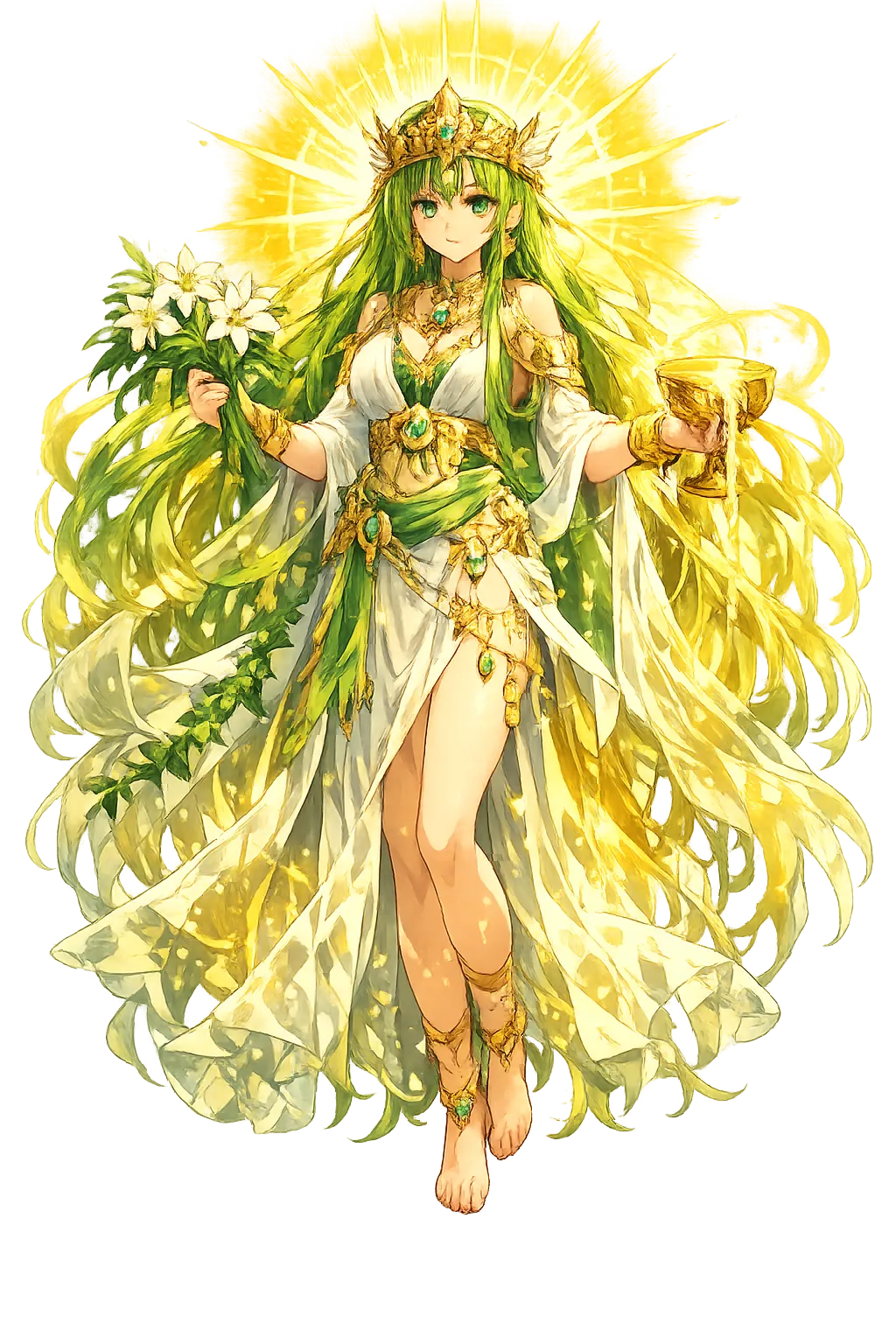
Amərətāt is the Amesha Spenta of immortality and plants in Zoroastrianism. She embodies the divine promise that the soul endures and that the earth's vegetation sustains life. Where her sister Haurvatāt guards water and wholeness, Amərətāt guards the plant kingdom and the final victory over death. She is the green hope at the heart of Zoroastrian cosmology.

Amərətāt in Later Traditions

Amərətāt is one of a pair with Haurvatāt, and the two are often worshipped together as guardians of water/plants and health/immortality. Their names passed into Middle Persian as Amurdād and Hordād, and they are still commemorated in the Zoroastrian calendar. The Greek concept of ambrosia ('immortality') is not directly related etymologically but shares the same theological idea: a divine substance that confers deathlessness.

Modern Legacy

Amərətāt remains a focus of Zoroastrian devotion as the divine guardian of vegetation and the promise of eternal life. Her name survives in the Zoroastrian calendar and in the prayers offered to the Amesha Spentas. In ecological readings of Zoroastrianism, Amərətāt is invoked as the sacred dimension of plant life and the religious duty to protect the earth's green cover. She is a reminder that immortality in this tradition is not escape from the world but the world's final healing.

Unicode Restoration as Cultural Act

Restoring Amərətāt in a domain name is more than orthographic accuracy. It is a statement that the internet should recognize the full range of human writing — not only the ASCII keyboard.

05

Frequently Asked Questions

Common questions about Amərətāt, Immortality, Plants, and Unicode restoration

01How do you pronounce Amərətāt?

In reconstructed pronunciation, Amərətāt is /a.məɾ.əˈtaːt/ — approximately ah-muh-ruh-TAHT — the middle syllables are light and quick, while the final 'tah' is long and emphatic..

02What does Amərətāt mean?

Amərətāt means Immortality in the zoroastrian tradition.

03What are the symbols of Amərətāt?

Amərətāt is associated with Tree or branch (Vegetation, growth, and the plant kingdom under her guardianship), Fruit or grain (The sustenance that links earthly agriculture to divine immortality), Watered garden (The paradise-like setting where plants and water together manifest wholeness), Pairing with Haurvatāt (The two Amesha Spentas together symbolize health and eternal life).

04Why restore Amərətāt in Unicode?

Plain ASCII ameretat strips the stress, length, and script that make the name specific. Unicode restoration returns the name to its original written dignity.

05What is the most important myth about Amərətāt?

In Zoroastrian cosmogony, AhuraMazdā creates the third of the seven creations: the plant world. He assigns its guardianship to Amərətāt. Angra Mainyu (Ahriman) responds by sending drought, locusts, and winter to wither the green world. The struggle between growth and decay is therefore a cosmic battle in which human agriculture participates.

06

Scholarly Sources

The philological foundations of this restoration

Every claim on this page is grounded in established scholarship. The orthographic restorations follow disciplinary convention. The etymological chain follows the best available reference works. This is not invention — it is resurrection through scholarship.

Lexicography & Philology

  • AirWb
  • Bartholomae

Primary Texts

  • Avesta, Yasna 1.12, 3.13, 7.14, 16.4 (invocations of Amərətāt)
  • Avesta, Yasht 1 (AhuraMazdā Yasht, including the Amesha Spentas)

Archaeology & Art History

  • Material evidence — iconography, inscriptions, and temple archaeology — for Amərətāt and related cults.
  • Amərətāt is invoked in Avestan liturgical texts and in Sasanian-era inscriptions and seals that name the Amesha Spentas. Zoroastrian ritual vessels, fire temples, and manuscript illuminations associate her with vegetation and the paradisal garden. The Haoma ritual, though now performed with substitutes in many communities, preserves the plant-offering at the center of her domain.

Religious Studies

  • Bundaahišn
  • Bartholomae, Altiranisches Wörterbuch
  • AirWb
  • Boyce, Zoroastrians: Their Religious Beliefs and Practices
  • Kellens, Essays on Zarathustra and Zoroastrianism
  • Skjærvø, The Spirit of Zoroastrianism
Return

The Surface Awaits

You have traced the name from its earliest attestation to its Unicode restoration. Now return to the myth. The story is where the name lives.

Back to Lore
Amərətāt mascot