Unicode restoration and ASCII comparison
Ἀχέρων
The name in its original Greek form. Achérōn (Ἀχέρων) is attested in the source tradition — “River of woe”. Its aspirated consonants, long vowels, and acute accents carry the full phonetic and orthographic weight of the source tradition.
acheron
Reduced to plain acheron, the name loses everything that made it specific: aspirated consonants, long vowels, and acute accents. What remains is an ASCII string that machines can parse but that no longer speaks with its original voice.
Achérōn
The Unicode restoration recovers what ASCII flattened. Achérōn restores aspirated consonants, long vowels, and acute accents, returning the name to its original written dignity. The domain encodes to Punycode, but the browser displays the truth.
Achérōn.com → xn--achrn-dsa51e.com
The non-ASCII characters in Achérōn are encoded while the ASCII remains visible. To the DNS, it is Punycode. To humanity, it is Achérōn.
How Achérōn is preserved in writing
A bespoke provenance study for Achérōn is being prepared by the PUNICODEX scholarly team.
Contribute scholarly provenance →How Achérōn was spoken
Underworld Boundary, Grief, Passage
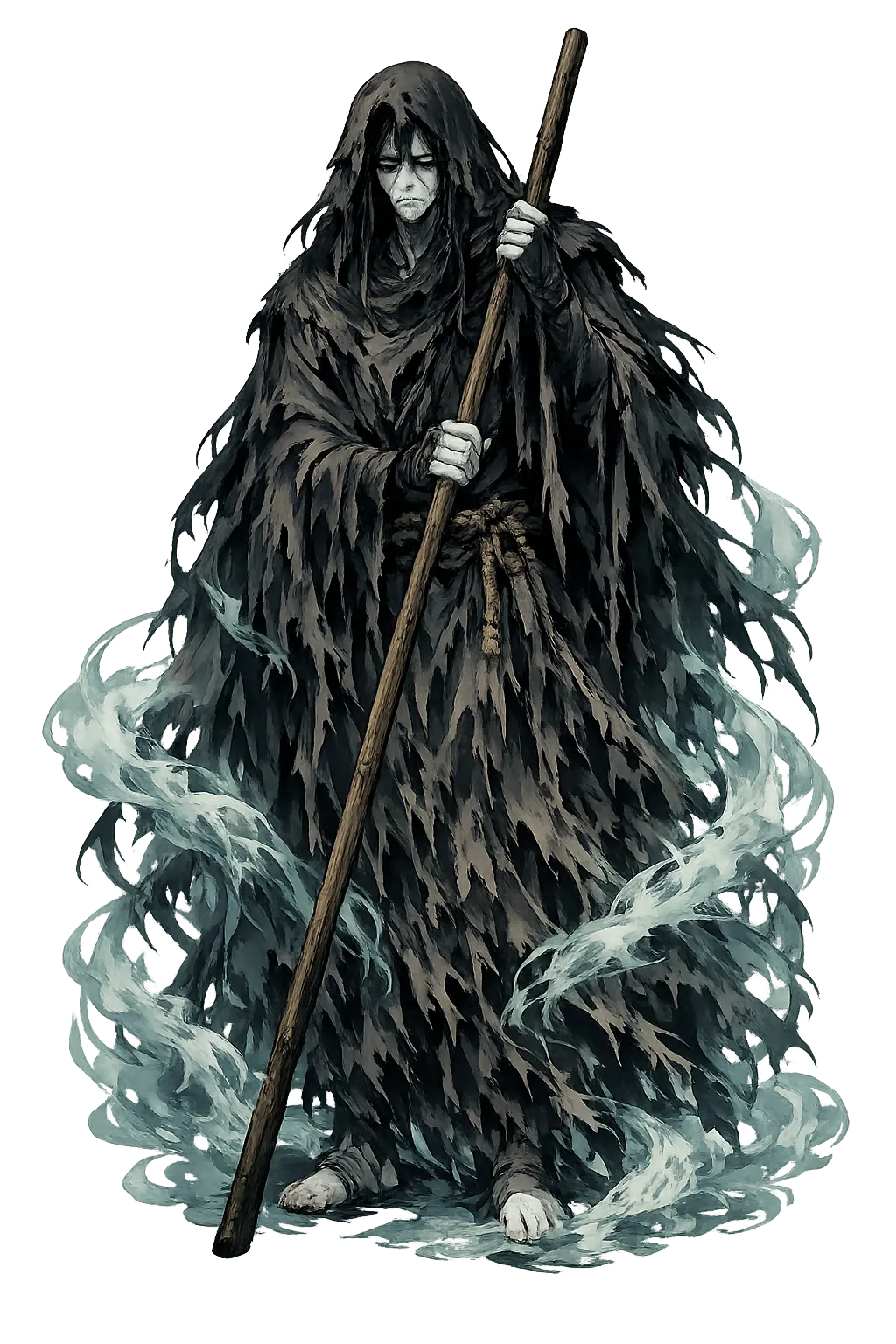
Achérōn is the river of woe, one of the great boundary rivers of the Greek underworld. Real in Epirus and mythic in Hades, it marks the place where the living must stop and the dead begin their journey.
One of the rivers that separate the world of the living from the dead.
Its waters are identified with ἄχος, the Greek word for pain and sorrow.
The Thesprotian Acheron was believed to be an entrance to the underworld.
The dead must cross its waters, sometimes by Charon's boat.
Stories of Achérōn
Achérōn is less a character than a place of passage. Its mythology is the geography of death: where the rivers flow, who ferries the dead, and what must be left behind.
Hesiod makes Acheron a son of Oceanus and Tethys, one of the great world-encircling rivers. From this genealogy comes its cosmic status: it is not merely a local stream but a branch of the primordial waters.
In Odyssey 10, Circe sends Odysseus to the edges of Oceanus and the Acheron to summon the dead. There he digs a trench, pours libations, and calls up the shades of Tiresias, his mother Anticleia, and the heroines of old. The river is the membrane between epic and necromancy.
Virgil places Acheron at the entrance to the underworld, where Charon ferries the souls of the dead. The river is fed by Cocytus and Phlegethon, and its murky waters mirror the grief of those who cross it.
Achérōn is the first river we cannot cross alone. In the myth, the dead need a ferry and a coin; they must leave the body behind and pay for passage. The river therefore marks not just death but transition: the moment when the old self is no longer sufficient.
Enter Extended Lore